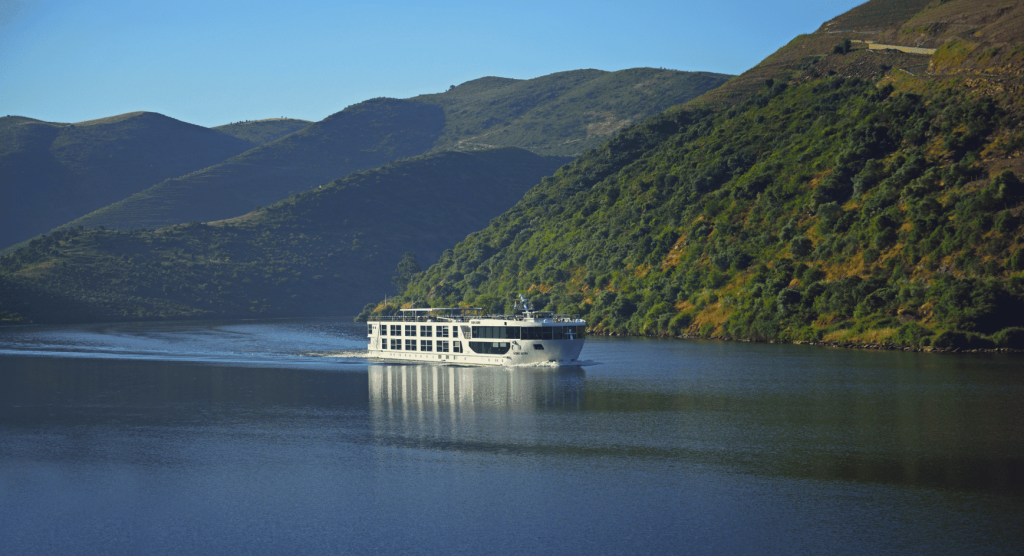
Few travel experiences rival the quiet majesty of a cruise that threads its way through landscapes shaped by time and the elements. Scenic cruises offer a unique vantage point, allowing travelers to witness nature in its purest form while enjoying the gentle rhythm of life at sea. From towering cliffs to shimmering waters, each moment offers a chance to step into a world where natural beauty takes center stage.
One of the most remarkable aspects of these voyages is the ability to experience diverse ecosystems without leaving the ship. The vantage point of a cruise offers uninterrupted panoramas of rugged coastlines, verdant mountains, and endless horizons. Wildlife sightings become more accessible as seabirds, dolphins, and occasionally even whales glide alongside the vessel, creating moments of wonder that are impossible to replicate on land. The ocean itself serves as a living backdrop, reflecting sunlight in patterns that shift from morning to evening, offering photographers, artists, and dreamers alike a constantly evolving canvas.
The allure of a Southern Caribbean cruise, for instance, lies not just in its tropical beaches but in the vivid encounters with flora and fauna that punctuate the journey. Even before reaching shore, passengers can spot flying fish skimming the waves, or notice a pod of dolphins weaving through the wake. The thrill of these unscripted events is heightened by the intimate scale of a cruise, where small decks and quiet observation areas allow travelers to feel close to the action without distraction. Each moment is fleeting, yet indelibly etched into memory.
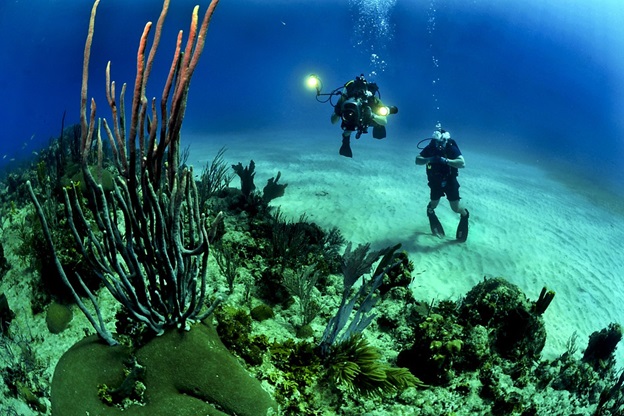
Beyond the water, scenic cruises provide access to islands and coastal regions where nature thrives with minimal interference from human development. Mangroves, rainforests, and coral reefs all tell a story of resilience and biodiversity. Guided excursions often bring travelers into closer contact with these ecosystems, whether through hikes along hidden trails, snorkeling among coral gardens, or kayaking through quiet inlets. The sense of immersion is profound; here, the focus is not on speed or efficiency, but on savoring each detail—the delicate patterns of leaves, the iridescent scales of a passing fish, the distant cry of a bird overhead.
Even on board, the connection to nature remains tangible. Early mornings on deck offer a serene start to the day, with the crisp air and gentle sway of the ship acting as a natural reset. Sunrises and sunsets are particularly spectacular, painting the sky in colors that seem almost unreal. Watching the transition from dawn to daylight, or evening to twilight, allows passengers to mark the passage of time in a more reflective way than a typical land-based vacation might provide. There is a rhythm to these moments, an unspoken invitation to pause and take in the immensity of the world around you.
Scenic cruises also highlight the changing character of the sea itself. Calm stretches reflect the sky like glass, while occasional swells and waves remind travelers of the power of nature. Storms at sea, while rare and carefully navigated, provide dramatic displays of clouds, wind, and light, offering a reminder of both vulnerability and awe. The contrast between serene mornings and dynamic afternoons creates an ever-changing narrative that engages all the senses and fosters a deep appreciation for the complexity of marine environments.
Wildlife encounters are often among the most memorable experiences on scenic cruises. Passengers may see sea turtles surfacing for air, schools of tropical fish darting beneath the surface, or even the distant breach of a whale. Each sighting is fleeting, yet the sense of connection to life beyond human borders lingers. Birds in particular add a dynamic element, with pelicans diving for fish, frigatebirds gliding on thermals, and flocks of exotic species flitting among the mangroves. These moments feel both spontaneous and intimate, a reminder that travel can be a direct line to the natural world rather than a mediated experience.
Shore excursions enhance the impact of these encounters by bringing travelers closer to the ecosystems they observed from the ship. Kayaking through quiet bays, walking along secluded beaches, and hiking forest trails all allow for tactile, personal experiences of nature. Unlike traditional tourism, which can sometimes prioritize spectacle over substance, scenic cruises emphasize observation and interaction on nature’s terms. There is time to notice subtle shifts in light, the texture of sand underfoot, and the delicate movements of creatures both large and small.
For many travelers, the greatest gift of a scenic cruise is a new perspective on the interconnectedness of life. Seeing coral reefs teeming with color, observing birds in flight, and noticing the patterns of waves encourages reflection on the delicate balance that sustains these ecosystems. Such moments are often accompanied by a sense of humility and gratitude, as passengers recognize how vast and intricate the natural world truly is. Even those who have visited islands or coastal regions before may find themselves struck anew by the immediacy of these experiences.
Ultimately, scenic cruises offer more than views; they provide encounters that are both intimate and transformative. The slow pace of life on board encourages mindfulness, while access to varied landscapes and ecosystems allows travelers to witness the vibrancy of nature firsthand. Whether watching dolphins at dawn, exploring a coral reef in the afternoon, or strolling along a quiet shore as the sun sets, each experience contributes to a tapestry of memory that lingers long after the journey concludes.
For those seeking travel that blends adventure with reflection, and discovery with tranquility, scenic cruises provide a perfect medium. By offering repeated opportunities to observe, listen, and engage with the natural world, these voyages create moments that are unforgettable. They remind travelers of the beauty, power, and fragility of nature and invite an appreciation that extends far beyond the confines of any single port or island.