Category

Health

Category

Living with chronic fatigue syndrome (CFS) presents challenges, but sustainable weight loss is possible. Explores gentle exercises like walking, yoga, swimming, and a balanced diet to support energy levels and manage CFS symptoms. It also emphasizes the balance between rest and activity for weight loss and well-being. With expert tips, you’ll learn to create a weight loss plan that supports health and manages CFS.

Understanding Chronic Fatigue Syndrome And Its Impact On Weight Loss

Chronic Fatigue Syndrome (CFS) is marked by persistent fatigue that worsens with activity and doesn’t improve with rest. This, along with symptoms like sleep disturbances, cognitive difficulties, pain, and hormonal imbalances, complicates weight management. Exercise often triggers post-exertional malaise, making weight loss challenging due to the fear of worsening symptoms. Additionally, a sedentary lifestyle and emotional factors like depression and anxiety can contribute to weight gain or poor eating habits. Understanding these dynamics is essential for developing a sustainable weight loss plan for CFS patients.

The Importance Of A Sustainable Weight Loss Plan For people living with Chronic Fatigue Syndrome

Creating a custom weight loss plan for CFS sufferers is essential, as traditional methods may not suit the condition’s challenges. Hormonal imbalances further complicate the process, requiring careful consideration of individual needs. A gradual approach prioritizes energy levels and health, with long-term habits that include manageable adjustments to diet and exercise. Instead of restrictive diets, a balanced approach with various foods helps maintain energy and support weight loss. The plan also emphasizes self-compassion, recognizing setbacks and slow progress while celebrating small victories to maintain motivation and achieve lasting change.

Common Challenges Faced By Individuals With Chronic Fatigue Syndrome When Trying To Lose Weight

Weight Loss Plan

Individuals with CFS face significant challenges in weight loss, including hormonal imbalances and unpredictable energy levels, making physical activity difficult on days of severe fatigue. Dietary issues, such as food sensitivities and cognitive difficulties like “brain fog,” can complicate meal planning and lead to reliance on unhealthy convenience foods. Psychological factors like anxiety and depression can also hinder motivation and self-esteem, creating a cycle of poor eating choices and exercise avoidance, which worsens fatigue and weight gain. Understanding these obstacles is key to developing a weight loss plan that suits the needs of CFS sufferers.

Tailoring A Weight Loss Plan For Individuals With Chronic Fatigue Syndrome

When building a weight loss plan for CFS, it’s essential to tailor it to the individual’s energy levels, health conditions, and lifestyle. Setting realistic goals and focusing on small changes can prevent frustration and burnout. Flexibility is key; gentle activities like stretching or mindfulness can replace intense workouts on low-energy days, reducing the risk of post-exertional malaise. Incorporating enjoyable foods and exploring new recipes can help prevent feelings of deprivation, making the journey more sustainable. Personalizing the plan supports both health and weight management goals.

Incorporating Gentle Exercise Into A Weight Loss Plan For people living with Chronic Fatigue Syndrome

Exercise is essential for weight loss in CFS patients but should be approached gently. Low-impact activities like walking, stretching, or yoga improve circulation and mood without worsening fatigue. Start with short sessions and gradually increase as stamina improves. Consistency is key, not intensity. Simple daily movements, such as standing while working or light housework, can increase activity without draining energy—mindfulness exercises like tai chi or gentle yoga offer physical and mental benefits.

The Role Of Nutrition In A Sustainable Weight Loss Plan For people living with Chronic Fatigue Syndrome

Nutrition is key for weight loss with CFS. A balanced diet of whole foods—fruits, vegetables, lean proteins, whole grains, and healthy fats—supports energy and mood. Staying hydrated is crucial, so drink plenty of water or herbal teas. Smaller, more frequent meals help maintain energy and prevent crashes. Meal prepping can reduce stress on low-energy days, making healthy eating easier. Additionally, incorporating foods rich in anti-inflammatory properties, like omega-3 fatty acids, can help manage CFS symptoms and support overall well-being.

Managing Energy Levels And Pacing In A Weight Loss Journey With Chronic Fatigue Syndrome

Managing energy is crucial for weight loss with Chronic Fatigue Syndrome (CFS), especially when hormonal imbalances are involved. Regular testing, such as a CFS test, can help identify specific triggers or patterns related to energy levels. Pacing activities with adequate rest is essential to prevent exhaustion and post-exertional malaise. Incorporating short bursts of activity followed by recovery practices, such as meditation or naps, helps conserve energy. Keeping a journal to track energy levels, activities, and symptoms offers valuable insights for refining the plan and achieving better results.

Psychological And Emotional Considerations For Weight Loss With Chronic Fatigue Syndrome

Psychological well-being is crucial for weight loss with CFS. Self-compassion, support from others, and mindfulness practices like meditation, yoga, and journaling help manage emotions, reduce stress, prevent emotional eating, and promote positive behaviors. Acknowledging CFS challenges and celebrating small victories can boost motivation. Prioritizing mental health is as important as physical health in achieving sustainable weight loss.

Seeking Support And Guidance For A Sustainable Weight Loss Plan With Chronic Fatigue Syndrome

Starting a weight loss journey with CFS can feel overwhelming, but support makes a difference. Joining support groups helps you connect with others who understand your struggles and offer motivation. Working with healthcare professionals like dietitians or physical therapists provides personalized guidance on meal plans, exercise, and managing fatigue. Involving friends or family provides accountability and companionship, making the process less isolating. Reaching out for support leads to more sustainable results.

Conclusion: Empowering Individuals With Chronic Fatigue Syndrome To Achieve Their Weight Loss Goals

A personalized approach to diet and exercise can help chronic fatigue syndrome (CFS) sufferers build a sustainable weight loss plan. Individuals can reach their goals while prioritizing health by focusing on gradual changes. Weight loss is a marathon, not a sprint, requiring patience and support. Celebrate small victories, rest when needed, and incorporate gentle exercise and nutritious foods to create a balanced lifestyle. The goal is to empower individuals with CFS to take control of their health and live fulfilling lives.

Are you experiencing neck pain or discomfort? Addressing neck issues is crucial for maintaining overall well-being, and seeking the care of a knowledgeable doctor is the first step toward finding relief. This article will explore the importance of seeking professional help for neck issues and the various treatment options.

Understanding Common Neck Issues

Neck problems can stem from various factors, such as posture, muscle strain, injury, or medical conditions. Getting an accurate diagnosis and tailored treatment is critical. Consulting a neck specialist ensures proper care. They assess your condition, suggest tests, and recommend the best approach.

Neck pain can disrupt daily life, hindering work, exercise, and family activities. Knowing common issues and causes emphasizes the need for medical attention and finding solutions for your situation.

Importance Of Seeking Medical Care For Neck Issues

Seeking medical care for neck issues is crucial for several reasons. A specialized doctor can accurately diagnose your condition, distinguishing between neck issues like muscle strains, herniated discs, or degenerative conditions. This ensures the proper treatment.

Additionally, they assess your overall health and medical history, identifying any factors contributing to your neck problems. This comprehensive approach allows for a personalized treatment plan, increasing the chances of successful recovery.

Delaying medical care or self-diagnosis can lead to prolonged pain and worsening symptoms. Consulting a qualified doctor promptly is vital for addressing neck issues and restoring comfort and mobility.

Finding The Right Doctor For Neck Issues

Choosing the right doctor for your neck issues is crucial for receiving top-notch care. Ask your primary care physician or trusted friends and family for recommendations. Online research and reviews can also provide valuable insights.

When evaluating doctors, consider their expertise, credentials, and experience treating neck problems. Look for specialists with a strong track record and positive patient feedback. It is also essential to choose a doctor whose communication style puts you at ease and instills confidence.

Finding the right doctor is vital to effectively addressing your neck issues. Take your time to research and select a professional who meets your needs and makes you feel comfortable.

Initial Consultation With A Neck Specialist

Schedule an initial consultation with the doctor to discuss your neck issues thoroughly. Be ready to share your symptoms and medical history. The doctor may conduct a physical exam and recommend tests like X-rays or MRI scans. Use this time to ask questions and understand your condition and treatment options. This consultation is crucial for gathering information and making informed decisions about your neck health.

Diagnostic Tests For Neck Issues

Diagnostic tests are vital for identifying the root causes of neck problems and guiding treatment. A specialist may recommend various tests based on your symptoms and medical history. These tests offer insights into the nature and severity of your condition.

X-rays can detect bone issues like fractures or degeneration, while MRI scans visualize soft tissues such as discs and nerves for herniation or compression. Sometimes, a CT scan or electromyography (EMG) may provide further detail.

These tests help doctors accurately diagnose neck problems and tailor treatment plans accordingly. Understanding the specific cause of your discomfort is critical to effective treatment.

Neck Issues

Treatment Options for Neck Issues

Treatment for neck issues varies based on the cause, symptom severity, and individual factors. A specialist carefully evaluates these factors to recommend the best approach, aiming to provide effective relief while minimizing risks.

Conservative Treatments

For mild to moderate neck issues, conservative treatments are often the first line of defense:

  • Physical Therapy: Physical therapy focuses on strengthening neck muscles, improving flexibility, and reducing pain. It plays a crucial role in restoring function and preventing further complications.
  • Medications: Nonsteroidal anti-inflammatory drugs (NSAIDs), muscle relaxants, and non-narcotic pain relievers are commonly used to manage symptoms. According to experts in non-narcotic pain management, such as those at Spinal Diagnostics, these alternatives effectively control pain without the risks of dependency associated with opioids.

Advanced Interventions

If conservative methods are not effective, more advanced interventions may be recommended:

  • Minimally Invasive Procedures: Options like nerve blocks, trigger point injections, or epidural steroid injections can provide targeted relief for persistent pain or inflammation.
  • Surgical Solutions: Surgery is reserved for severe cases where structural issues like herniated discs or spinal stenosis require correction.

A Tailored Treatment Plan

Your doctor will develop a personalized treatment plan considering your condition, symptoms, medical history, and preferences. By incorporating strategies from non-narcotic pain management, such as physical rehabilitation, advanced injections, and lifestyle modifications, they ensure an approach that balances safety and effectiveness.

Trust your specialist’s expertise to determine the most suitable path for managing your neck issues while promoting long-term health and well-being.

Rehabilitation And Physical Therapy For Neck Issues

Physical therapy and rehabilitation are essential for individuals with neck issues. They aim to enhance strength, flexibility, and function while alleviating pain.

A specialized physical therapist devises a tailored exercise program targeting your specific needs. This program includes stretching, strengthening, and range-of-motion exercises to improve muscle balance and posture. Manual therapy techniques like massage or mobilization may relieve pain and aid healing.

Moreover, physical therapy isn’t just about addressing current neck problems; it’s also preventative. By learning proper posture, ergonomics, and body mechanics, you can reduce the risk of future neck issues and maintain long-term neck health.

Lifestyle Changes For Maintaining A Healthy Neck

Incorporating lifestyle changes alongside medical treatments and physical therapy can significantly contribute to a healthy neck.

Maintaining good posture is critical. Be mindful of your posture, especially during activities like desk work or using electronic devices. Take breaks to stretch and change positions to prevent strain on your neck muscles.

Ensure your workstation is ergonomically optimized for good neck posture. Adjust your chair and desk, and monitor height accordingly. Invest in a supportive pillow and mattress for proper neck and spine alignment while sleeping.

Regular exercise, such as walking, swimming, or yoga, strengthens neck muscles and improves overall posture and flexibility. Managing stress through meditation or relaxation exercises can also help alleviate muscle tension and reduce the risk of neck issues.

Conclusion: Taking Control Of Your Neck Health

Addressing neck issues is crucial for overall well-being and quality of life. A specialist doctor can offer an accurate diagnosis and personalized treatment plan.

They’ll recommend the most effective approach, whether conservative treatments like physical therapy and medication or more advanced interventions or surgery if needed. Lifestyle changes, rehabilitation, and support resources also significantly manage and prevent neck problems.

Don’t let neck issues hold you back. Consult with a qualified doctor to regain comfort and mobility today.

If you suffer from anxiety, you are not alone. Anxiety has become a common problem for people due to their stressful lives. This is the reason they use different natural remedies to manage the signs of this issue. Some of them involve various relaxation activities and exercises. Again, people also prefer to take CBD oil and supplements to treat this issue. When people suffer from anxiety, they confront symptoms like tension, agitation, nervousness, chest pain, and a racing heart. At times, they also suffer from a health condition like an overactive thyroid, which results in anxiety disorder.

Usual remedies that treat anxiety

People prefer to use the best CBD oil besides embracing natural remedies to treat anxiety. Many people love to meditate as it helps them slow down racing thoughts. Thus, they can manage their anxiety and stress levels extremely well. Fortunately, people can use lots of meditation styles, including meditation during yoga, mindfulness, etc. According to studies, it has been proved that physical exercise assists in lessening the symptoms of anxiety. In this regard, high-intensity exercises seem to be more effective compared to low-intensity routines. People prefer to exercise when they suffer from anxiety that results from some stressful circumstances. 

When people discover a method to express their anxiety levels, they can manage it well. Research has proved that some kind of writing and journaling assist people in handling anxiety better. Emotional-based journaling lessens the mental distress of people and enhances their well-being. A few people end up tensing their muscles unconsciously while responding to anxiety. In this regard, progressive relaxation exercises help in lessening this tension. They also work to lessen people’s stress levels in multiple ways. Many people feel anxious when they make lots of commitments simultaneously, including work, health-connected activities, and family. Hence, when they are backed by a plan for the subsequent necessary action, they can keep their anxiety levels at bay. To manage their anxiety levels, many people split major projects into small and manageable steps. This way, they can achieve those jobs with less stress.

Taking CBD

Lots of studies done on CBD have proved that the best CBD products assist people in lessening their stress and anxiety levels. Again, these products also seem helpful in treating depression. While buying CBD, you should be mindful that you won’t find one size that would fit all. Hence, besides knowing about the amount of CBD you can take, you should also identify the products that will cater to your needs in the best manner. 

Braces and aligners are used to shift teeth back to their position and bring alignment among teeth. However, the process is gradual, and oral health needs to be taken care of during this period. 

With braces, you need to avoid certain food items as they can damage the brackets. Moreover, oral hygiene practices must be maintained in the meantime, as they can significantly impact the longevity of braces and aligners. 

If any issue arises, like aligners disrupted or metal brackets breaking, emergency orthodontic care can provide solutions and effectively treat the problem.

In Tukwila, there are specialized dentists who are equipped with the latest technology. They provide residents with quality dental care in Tukwila

Let us look at how issues related to braces and aligners can be handled: 

  • Aligners might break, or the patient might lose it

If your aligners break or somehow you lose them, it can impact your treatment. Therefore, it becomes essential that you seek help from your orthodontist by calling them and asking for an immediate solution. Possible solutions that they might provide you with can be using the previous one or using the next set. It depends on the progression of your treatment process. This is why you should have another set of aligners in case an emergency like this arises. 

  • Food particles might get stuck in the braces. 

Braces are made from metal brackets and wires; if you are eating food and it has particles that can get stuck in the brackets, then it might create a problem for you. It is not easy to get them out as the brackets are tightly held. Using dental floss in such cases might help. It would help if you were gentle while getting the particles out from braces, or you might break it. Oral hygiene practices are therefore essential to avoid such mishappenings. 

  • Spacers might become loose and affect the alignment. 

Braces help in alignment, but the key elements that do so are bands and spacers. They are responsible for bringing alignment. If they get loose, it can significantly affect the alignment. In such cases, it is better to book an appointment with your orthodontist as soon as possible. They can repair the spacers or bands and provide prompt solutions to your problems. Moreover, the risks for potential complications are also minimized by seeking treatment on time. 

Consult an experienced professional in Tukwila in an emergency! 

The best way to tackle emergency dental situations is to contact your orthodontist who did the treatment for you in the first place. They can provide temporary solutions until you can visit the clinic in person. Moreover, you can entirely rely on their advice in such situations. 

Calculus is bacterial plaque that has formed on a specific area of your tooth, collecting minerals from your food and saliva until it hardens and is practically glued to the tooth. Dental calculus also increases the risk of cavities. Calculus cannot be removed with ease at home and a professional cleaning is advised by a NE Philadelphia dentist at least twice a year.

Patients should be aware of two fundamental forms of dental calculus: supragingival and subgingival. The discrepancy is mostly due to the calculus’s placement relative to the gumline.

  • With subgingival calculus, however, the build-up extends beneath the gumline, where it is entirely unseen and can be difficult to remove as a result.
  • With supragingival calculus, the build-up remains above the gum line and is often visible and easily removed during regular dental cleaning.

How Does Calculus Form?

Plaque hardens and mineralizes on your teeth after 2-3 days of contact, forming calculus (tartar). A high mineral level in your saliva will also promote calculus development. This hard coating, calculus, will function as a protective shield for microorganisms on the teeth. The bacteria in your mouth produce acids that tear down your tooth enamel, resulting in cavities and tooth decay. If calculus is not removed, it irritates your gums and eventually develops gum disease (gingivitis). Studies have also found that bacteria in gum disease may lead to heart disease and other illnesses.

Calculus Removal

Tartar accumulation is eliminated by a dental expert due to its strong adhesion to tooth enamel. This can be accomplished with expert cleaning, debridement, or scaling and root planing. If you do not have deep deposits and your teeth are free of bone loss or periodontal disease, the American Dental Association suggests a regular cleaning every six months. During your routine dental inspection and cleaning, your dentist or hygienist will use a scaler to remove any dental plaque, tartar, or stains from the area surrounding your gums and between your teeth.

How to Prevent Calculus?

  •         Brush twice a day
  •         Eat healthy, limit the amount of sugar you eat.
  •         Drink lots of water.
  •         Don’t smoke.
  •         Use a toothbrush with soft bristles or an electric toothbrush
  •         Use a tartar-controlled toothpaste with fluoride.
  •         Floss

People with thick calculus on their teeth that prohibits the dentist from doing a complete oral examination should undergo a debridement. Dental tartar may be broken down and removed using both manual instruments and ultrasonic technology.

As you grow older, you will start getting careless about the things connected to you. Like your health, when you start aging, it is hard for you to take care of yourself the way you did in your prime. Likewise, dental health is one of the major things that gets neglected when you get old. This is where dental care in Mooresville, NC, outshines in its unique way of providing solutions to your dental health problems. However, you should also know about the dental problems you will face as you grow older. Therefore, in this blog, you will learn about the challenges and solutions of senior dental health.

Challenges you will face:

  • Dry mouth

This is one of the common things that older people go through. They will have less saliva production due to their high-dose medications. Lack of saliva production can affect your dental health in other ways.

  • Tooth loss

As you age, you will start losing your teeth because of the bad habits that you hang off, like smoking, brushing your teeth hard, not having dental checkups, and many more. Tooth loss can affect the balance of your bone alignment.

  • Gum diseases

You will see that most elderly folks are diagnosed with diabetes and a weak immune system. This increases the vulnerability to gum diseases, which results in tooth loss, bad breath, and bleeding gums.

  • Tooth decay

Due to the high level of medications, the enamel in your teeth starts to lose its effect, resulting in leaving your teeth wide open for cavities to feast on them. Various bacteria feed on your teeth and make them weak.

Solutions to overcome these challenges

  • Stay hydrated

Dehydration tags various types of weakness and disease along with it. Drink plenty of water to avoid a dry mouth, and hydration will manage not only your oral health but also your overall health.

  • Regular dental checkups

Attending all your dental checkups can help you detect dental problems early and start working on their prevention. Treatments like dental implants and dentures can help you with your tooth loss and tooth decay.

  • Oral health care

If you want to help yourself with your dental problems, hence you need to take proper care of your oral hygiene. Brush your teeth softly twice a day, floss regularly, use a brush with soft bristles, drink plenty of water, and use good toothpaste. This way, you will most likely defend all the dental challenges you will face.

  • A balanced diet

As you age, you should keep in mind that you cannot eat all types of food. Consult with your dental care provider and schedule a diet plan for yourself.

Sensitive teeth are a frequent dental issue that can cause discomfort and lower the quality of life of people in San Diego. Dentin hypersensitivity is a disorder that arises when the teeth’s protective enamel is damaged, revealing the dentin and nerve endings beneath. This essay examines the reasons behind sensitive teeth, possible fixes, and preventative steps in the context of San Diego, where people frequently have particular difficulties in maintaining dental health by dentist in Pacific Beach, San Diego.

Causes of Sensitive Teeth

Enamel erosion may result from San Diego’s warm weather and the local penchant for acidic foods and drinks, including citrus fruits and fizzy drinks. Tooth sensitivity results from dentin being exposed when enamel erodes. Gum recession may be caused by poor oral hygiene habits, such as vigorous brushing or gum disease treatment. As exposed tooth roots are not covered by enamel, they are more sensitive, particularly in regions where gum disease is more common.

Teeth grinding may be exacerbated by stress from San Diego’s fast-paced lifestyle. This practice can erode the enamel, revealing the dentin and resulting in sensitive teeth. Temporary tooth sensitivity can result from several dental procedures including filling and tooth whitening. This is usually a short-term issue; however, it is essential to communicate any discomfort to the dentist.

Solutions for Sensitive Teeth

  1. Desensitizing Toothpaste: Specialized toothpaste designed for sensitive teeth can alleviate discomfort. These toothpastes contain compounds, such as potassium nitrate or strontium chloride, which block nerve signals that cause sensitivity.
  2. Fluoride Treatments: Professional fluoride applications at the dentist’s office can strengthen the enamel and reduce sensitivity. San Diego residents can schedule regular dental check-ups to monitor their oral health and receive necessary treatments.
  3. Dental Bonding or Sealants: In cases of exposed tooth roots or worn enamel, dental bonding or sealants can be applied to protect sensitive areas and reduce discomfort.
  4. Mouthguards for Bruxism: Your dentist can suggest a mouthguard that is specially made to fit your teeth if they find that grinding your teeth is a contributing factor to more enamel wear.

Residents of San Diego frequently worry about sensitive teeth due to environmental, dietary, and lifestyle issues. Maintaining ideal oral health requires knowledge of its causes and preventative action. To maintain a pain-free and healthy smile, individuals with tooth sensitivity can manage and reduce it with the assistance of San Diego dentists.

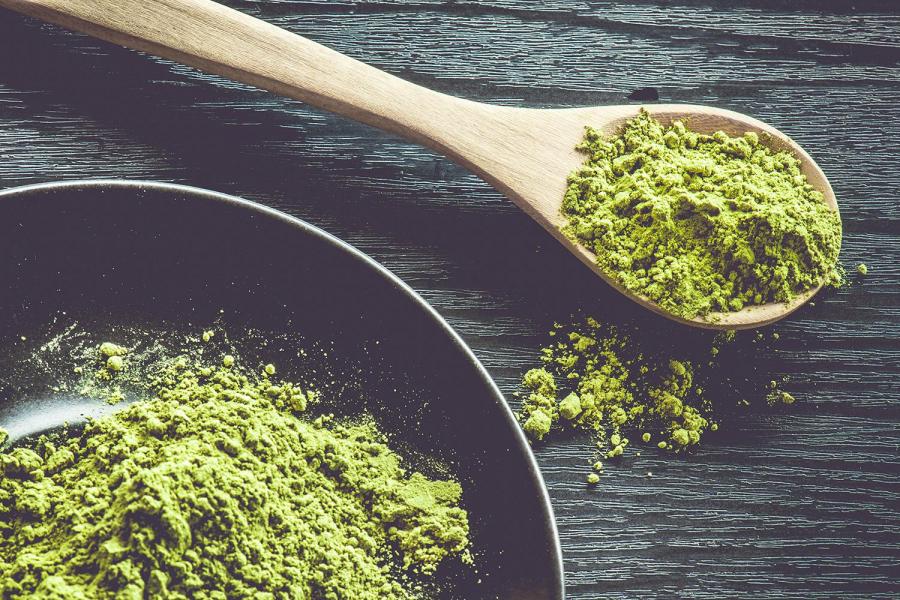
Kratom’s stimulant and analgesic effects have gained popularity in the West. To maintain its potency and shelf life, botanical products must be stored properly. 

Cool and Dry Place

Kratom powder should be stored away from excess moisture, heat, and sunlight. Kratom’s active compounds, alkaloids, break down faster in moisture and heat. Moisture promotes mold growth, which renders the kratom unusable. Ideal conditions would be room temperature around 70°F (21°C), with low humidity around 55%. Avoid storing kratom in humid environments like a bathroom or a damp basement. Likewise, exposure to direct sunlight or heat sources degrades alkaloids over time. Store kratom powder away from sunny windowsills, heater vents, and other heat-generating appliances in your home. A kitchen pantry, closet shelf, or cupboard makes good storage spaces, provided they are not subject to temperature extremes or leaks. 

Airtight containers 

Keeping kratom powder in an airtight container is recommended. Mason jars, pill bottles, and zip-close bags are convenient options many kratom users rely on. Clear glass also allows you to monitor the powder for visible changes over time. However, keep light exposure limited by storing containers in a dark space. Plastic bags and containers should be high-quality to prevent humidity leaks or plastic odor absorption. If reusing bags, ensure there is no moisture residue inside before filling them with kratom. Seal bags tightly, removing excess air before closure. Bottles and jars should have tight-fitting, non-porous lids that maintain a robust seal. Desiccant packs are added to absorb residual moisture but must be changed periodically to remain effective.

Freezing kratom

While refrigeration prolongs shelf life, careful freezing is an option for long-term storage of several months. Place kratom powder into a sealed freezer bag, bottle, or airtight container before freezing. Freezing causes moisture content in the powder to crystallize, which is addressed before future use. Allow frozen kratom containers to thaw completely before opening. Check for and remove moisture build-up inside containers before resealing kratom. With freezing, kratom moisture content must be sufficiently low going into the freezer. Excess humidity creates bigger ice crystals during freezing, which rupture plant cell walls upon thawing. This releases bitterness directly into the powder, negatively impacting taste and potency. If freezing for an extended duration, periodically check containers for frost buildup indicating humidity leak. Fully thaw and replace into a new airtight container if detected.

Shelf life

When stored properly in cool, dry conditions, kratom powder typically lasts between 3-6 months before degrading in potency. Kratom contains delicate alkaloids prone to natural decay over time when exposed to elements like oxygen, light, and heat. Setting an alarm on your calendar app helps you keep track of when stored kratom reaches its expiry date. If humidity control packs are used, kratom potentially lasts 9-12 months until packs lose effectiveness. Take note of operational timeframes listed on desiccant pack labeling. Kratom stored for over a year in poor conditions is unlikely to retain its original potency or flavor. Freezing expands shelf life to 1-2 years depending on storage practice. Discard kratom exhibiting signs of excess moisture, smelliness, or change in appearance.


Living with Parkinson’s disease can present unique challenges, especially during mealtime. Motor symptoms such as tremors, rigidity, and difficulties with coordination can make it challenging for Katy, TX, residents with Parkinson’s to maintain their independence while eating. However, technological advancements have paved the way for innovative solutions to enhance mealtime independence and improve the overall quality of life for those with Parkinson’s. In Katy home care services leverage these technologies to provide better care for your loved ones. This article will explore smart solutions that leverage technology to address these challenges and empower individuals to enjoy a more fulfilling dining experience.

Adaptive Utensils and Tableware

One of the key areas where technology has made significant strides is the development of adaptive utensils and tableware. These specially designed tools compensate for the fine motor difficulties often associated with Parkinson’s. Adaptive utensils feature larger handles with ergonomic grips, which make them easier to hold and control. They can help reduce tremors and improve grip strength, enabling individuals with Parkinson’s to eat more comfortably and with greater independence.

Voice-Activated Assistance

Voice-activated technology has become increasingly prevalent in people’s daily lives and can also be a valuable tool for individuals with Parkinson’s during mealtime. Virtual assistants like Amazon’s Alexa or Google Assistant can be programmed to help with various tasks, such as setting timers, providing reminders to take medication, or even ordering groceries. By simply using voice commands, individuals can effortlessly manage their mealtime routines and alleviate the challenges posed by Parkinson’s symptoms.

Automatic Feeding Devices

For those with severe motor impairments, automatic feeding devices offer a game-changing solution. These devices are designed to assist individuals with Parkinson’s who may have difficulty self-feeding. They typically consist of a motorized spoon or fork that can be controlled by hand movements, switches, or even voice commands. The devices can help stabilize the utensil and compensate for tremors, ensuring a more successful and enjoyable mealtime experience.

Smart Home Integration

Smart home technology provides another avenue for enhancing mealtime independence. With smart home integration, individuals with Parkinson’s can control various aspects of their dining environment using voice commands or mobile applications. For instance, smart lighting systems can be programmed to adjust brightness levels to enhance visibility while eating. Smart thermostats can regulate temperature, ensuring a comfortable dining experience. By leveraging these technologies, individuals with Parkinson’s can customize their surroundings to suit their needs and optimize their mealtime routines.

Mobile Apps for Meal Planning and Assistance

Mobile applications tailored specifically for individuals with Parkinson’s can be immensely helpful in planning and managing meals. These apps often include features like recipe suggestions, grocery lists, and medication reminders. Some apps even offer voice-guided cooking instructions, step-by-step meal preparation guides, and real-time assistance for individuals with Parkinson’s. By providing accessible and user-friendly tools, these apps enable individuals to stay organized, make healthier dietary choices, and promote independence during meal planning and preparation.

Conclusion

Living with Parkinson’s disease can present unique challenges, particularly during mealtime. As technology advances, you can look forward to smart solutions that will improve the quality of Katy home care for those living with Parkinson’s. Adaptive utensils, voice-activated assistance, automatic feeding devices, smart home integration, and mobile apps offer practical and accessible options to empower individuals with Parkinson’s to enjoy their meals with greater comfort, convenience, and independence.

Hookah tobacco is available in a wide variety of flavors, ranging from traditional options like mint and apple to more unique and exotic blends like white peach and guava. While each flavor can be enjoyed on its own, hookah enthusiasts often enjoy mixing different flavors together to create unique and exciting blends.

In this article, you will get to know about the art of mixing tobacco flavors to create your own custom blends.

Understanding Flavors

Before you start mixing and matching hookah tobacco flavors, it’s important to have a basic understanding of the different types of flavors available. You must research online and read more on reliable sites like GI User. Hookah tobacco flavors can be broken down into four categories: fruity, minty, spice, and floral. Fruity flavors include options like strawberry, watermelon, and peach. Minty flavors are cool and refreshing, and include options like peppermint, spearmint, and wintergreen. Spice flavors include options like cinnamon, cardamom, and ginger. Floral flavors include options like rose, jasmine, and lavender.

Creating Your Blends

Once you have a basic understanding of the different types of hookah tobacco flavors available, you can start experimenting with mixing and matching to create your unique blends. Here are some tips to help you get started.

  • Start with a base flavor: Choose a primary flavor that you enjoy and want to be the main focus of your blend. This will serve as the foundation for your custom blend.
  • Choose a complementary flavor: Next, choose a secondary flavor that will complement the base flavor. For example, if you’ve chosen mint as your base flavor, you might want to choose a fruity flavor like watermelon to add a sweet and refreshing twist.
  • Experiment with ratios: Once you’ve chosen your base and complementary flavors, start experimenting with different ratios to find the perfect balance. A good starting point is a 70/30 blend, with the base flavor making up the majority of the blend.
  • Add a twist: To take your custom blend to the next level, consider adding a twist with a third flavor. This can be a spice, floral, or even a different fruity or minty flavor that will add depth and complexity to your blend.

Some Popular Hookah Tobacco Blends

Online resources from websites such as GI User can be of great help to those new to the field. If you’re not sure where to start when it comes to creating your own custom hookah tobacco blends, here are some popular options to try.

  • Mint and grape: This classic combination is a favorite among hookah enthusiasts. The cool and refreshing mint flavor pairs perfectly with the sweet and fruity grape.
  • Peach and vanilla: For a sweet and creamy blend, try mixing peach and vanilla flavors together. This is a great option for those who prefer a more subtle flavor profile.
  • Blueberry and mint: This refreshing blend is perfect for hot summer days. The cool and crisp mint pairs perfectly with the sweet and tangy blueberry flavor.
  • Rose and lemon: For a floral and citrusy blend, try mixing rose and lemon flavors together. This is a great option for those who enjoy more unique and exotic flavor combinations.

Conclusion

Mixing and matching hookah tobacco flavors is a fun and creative way to customize your smoking experience. Whether you prefer fruity, minty, spice, or floral flavors, there are endless possibilities when it comes to creating your own custom blends. So grab your favorite hookah, experiment with different flavor combinations, and enjoy a truly unique smoking experience.