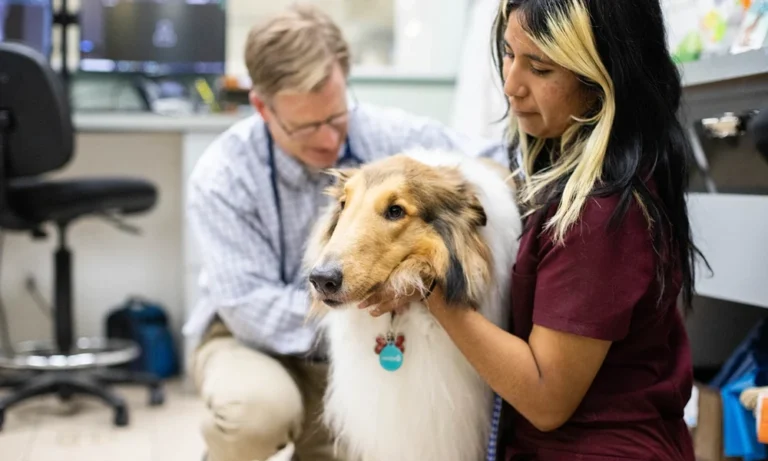
You look at the bag, fill the bowl, toss a few treats during the day, and assume it all balances out. Most pet owners do. Then your dog starts gaining weight, your cat seems hungry all the time, or a mobile veterinarian in Monroe, LA says the current feeding plan may be off, and suddenly something that felt simple becomes frustrating. You are trying to do right by your pet, and the hardest part is that the problem often hides in small daily habits that do not seem like much in the moment.
That is why measuring bowls and treat portions at home matters. It gives your veterinarian better information, which leads to advice that fits your pet’s real intake instead of a rough guess. Portion control for pets is not about being rigid or obsessive. It is about making nutrition advice more accurate, more practical, and more likely to work in real life.
Small feeding errors can turn into big nutrition problems
A scoop looks harmless, but one person’s scoop can be very different from another’s. Even the same measuring cup can vary depending on how full it is, whether the food is packed down, or whether someone in the house gives “just a little extra.” Treats add another layer. A few training rewards, table scraps, dental chews, and a bedtime snack can quietly push calories far past what your pet needs.
That is where confusion starts. Your veterinarian may recommend a calorie target or a diet change, but if the starting point is unclear, the advice can only go so far. If your pet is supposed to eat one amount and is actually eating much more, the plan may look ineffective when the real issue is measurement.
You may have already lived this. The food label says one cup twice a day, but your bowl at home holds more than a standard cup. Or your cat gets measured meals, yet everyone in the family gives treats because she cries at the kitchen door. The result is the same. The numbers on paper do not match what goes into the pet.
Measuring pet food at home closes that gap. It helps your veterinarian see the full picture, especially when weight gain, weight loss, diabetes, arthritis, digestive trouble, or kidney disease are part of the conversation.
Accurate portions give veterinary nutrition advice a better starting point
Veterinary nutrition advice works best when it is built on facts. Weight, body condition, age, activity level, medical history, and diet all matter, but portion size is one of the easiest details to miss. If the food amount is estimated, every next step becomes less precise.
A measured bowl changes that. A weighed portion is even better. Tufts Petfoodology explains why weighing your pet’s food often gives more accuracy than using cups alone, since kibble size and shape can affect volume. That matters when a small daily excess adds up over weeks and months.
This is not only about overweight pets. Underfeeding can happen too, especially in multi-pet homes, with picky eaters, or when a pet is switched to a new food with different calorie density. A dog recovering from illness may need closer tracking. A senior cat with muscle loss may seem stable on the scale while body condition is changing. Better measurement gives your veterinarian a clearer path forward.
For a mobile veterinarian, this kind of home detail is especially useful. Care happens in the environment where feeding routines actually unfold. The bowl on the mat, the treat jar by the door, the family member who tops off meals without mentioning it- these details often explain more than a label ever could.
Home measurement reduces guesswork, cost, and frustration
When feeding is not measured, owners often end up chasing the wrong problem. They may switch foods too quickly, spend money on supplements that do not address the issue, or feel discouraged because “nothing works.” In reality, the plan may have been reasonable, but the portions were not consistent enough to judge it fairly.
That frustration has a cost. Extra calories can worsen joint pain, make diabetes harder to manage, increase strain on the heart and lungs, and complicate recovery after surgery. On the other side, poor intake tracking can delay action when a pet is not eating enough.
Good data makes follow-up visits more productive. The veterinary team can compare calorie intake, weight trends, and body condition with less guesswork. Guidance becomes more specific. Adjustments become smaller and smarter. The whole process feels less like trial and error.
Measured feeding at home creates clearer nutrition records
| Feeding Approach | What Usually Happens | Effect on Veterinary Nutrition Advice |
|---|---|---|
| Eyeballing kibble in a bowl | Portions vary day to day | Hard to tell whether the diet or the amount is the issue |
| Using a household cup or scoop | Volume may not match a true measuring cup | Calorie estimates can be off |
| Ignoring treats and extras | Calories are undercounted | Weight gain may seem unexplained when it is not |
| Measuring each meal consistently | Daily intake becomes trackable | Advice can be adjusted with more confidence |
| Weighing food and logging treats | Most accurate picture of intake | Best support for targeted veterinary nutrition planning |
If you want a stronger foundation for feeding guidance, home records help. The body condition scoring chart from the AVMA can also help you and your veterinarian discuss whether your pet’s current shape matches their current intake.
Simple steps make pet feeding advice more useful right away
Measure every meal the same way. Use a standard measuring cup or, better yet, a kitchen scale. Check the food label for calories per cup or per gram. If more than one person feeds the pet, keep the tool by the food bin so everyone uses the same method.
Track treats as they count, because they do. Write down training treats, chews, table food, and food used to hide medication. Many pets get a large share of their daily calories from extras, and those calories change the plan your veterinarian builds.
Bring real numbers to your veterinary visit. Note the exact food brand, formula, amount per meal, number of meals, and treats per day. If you use a mobile vet service, show the actual bowl, scoop, and treat container during the visit. That makes nutrition advice more personal and far more accurate.
Better measuring leads to better care
You do not need a perfect system. You need a clear one. When you measure bowls and treat portions at home, your veterinarian gets better information, and your pet gets advice based on reality instead of guesswork. That can mean steadier weight management, better control of chronic disease, and fewer frustrating diet changes that miss the real problem.
If your pet’s feeding routine feels uncertain, start with the bowl, the treats, and the numbers. A mobile veterinarian can use that information to give more precise, useful nutrition guidance in the place where those habits happen every day.