
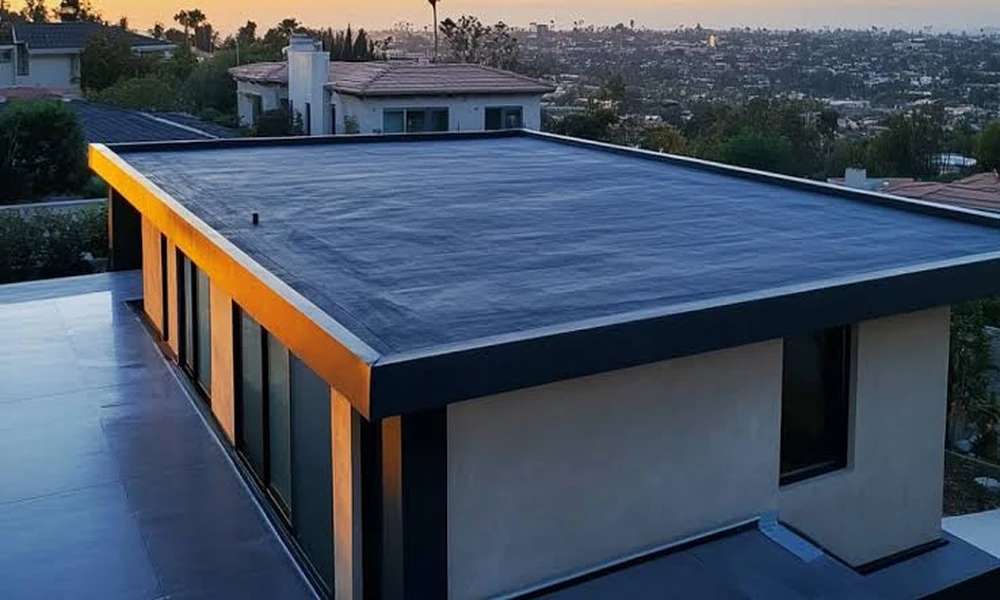
Flat roofs are a common choice for garages, additions, porches and commercial buildings, and they are popular for good reason. They offer usable space, a clean modern look and often lower material costs. But a flat roof behaves very differently from a pitched one, and it asks for a different kind of care. If you are searching for Saline flat roofing help, understanding how these systems work will make every decision easier, from choosing a material to spotting trouble early.
Why Flat Roofs Need a Different Approach
Despite the name, a flat roof is rarely perfectly level. Most have a slight slope so water can drain toward a gutter, scupper or internal drain. Because water moves slowly across a low pitch, it lingers longer and puts more stress on seams and membranes. That is why installation quality and drainage design matter so much with flat roofs.
Popular Flat Roofing Materials Compared
Several materials are widely used, each with strengths and trade-offs.
EPDM Rubber
A durable synthetic rubber membrane known for flexibility and weather resistance. It is often chosen for residential flat roofs and is relatively simple to repair.
TPO
A single-ply membrane with heat-welded seams and a light surface that reflects sunlight. It is a favorite where energy efficiency is a priority.
PVC
Similar to TPO but known for strong chemical and fire resistance, which makes it common on commercial buildings.
Modified Bitumen
An asphalt-based product reinforced for added strength, often installed in layers for extra protection.
Built-Up Roofing
A traditional system of alternating layers of bitumen and reinforcing fabric, valued for its thickness and long track record.
The best choice depends on your budget, building use, climate and how much foot traffic the roof sees.
Common Flat Roof Problems
Knowing what typically goes wrong helps you catch issues before they spread.
- Ponding water. Puddles that remain more than a day or two after rain strain the membrane and add weight.
- Seam separation. Seams can open over time from movement and weather exposure.
- Blisters and cracks. Trapped moisture or UV damage can cause surface defects.
- Punctures. Foot traffic, fallen branches and dropped tools can pierce the membrane.
- Flashing failures. Edges, vents and wall joints are frequent leak points.
- Clogged drains. Debris blocks drainage and worsens ponding.
Signs It Is Time for an Inspection
Do not wait for water to drip into your living space. Book an inspection if you notice:
- Standing water long after a storm
- Bubbles or soft spots on the surface
- Peeling or lifting edges
- Interior ceiling stains or musty odors
- Visible granule loss or cracking on the membrane
- A roof that is approaching the typical lifespan of its material
Repair, Coating or Replacement
Not every aging flat roof needs a full tear-off. Small punctures and seam issues can often be patched. Restorative coatings may extend the life of a roof in decent condition by adding a protective, reflective layer. Replacement makes sense when moisture has soaked into the insulation, damage is widespread, or repair costs keep climbing. A good contractor will inspect thoroughly, explain the findings and lay out your options without pressure.
Maintenance That Extends Roof Life
Flat roofs reward regular attention. A simple routine can add years of service:
- Clear leaves and debris from the surface and drains
- Inspect the roof after major storms
- Trim overhanging branches
- Limit foot traffic and use walkway pads where access is needed
- Schedule professional inspections at least once or twice a year
Energy Efficiency and Added Value
Reflective membranes such as white TPO can reduce heat absorption, which may lower cooling costs in warm months. Proper insulation also helps stabilize indoor temperatures year-round. For guidance on energy-conscious roofing choices, the U.S. Department of Energy offers helpful information on cool roof technology.
Questions to Ask Before You Hire
A little preparation protects your investment. Ask any contractor:
- Are you licensed and insured?
- What material do you recommend for my building, and why?
- Will you provide a detailed written estimate?
- What warranties cover the materials and the workmanship?
- How do you handle drainage and flashing details?
Clear, confident answers are a good sign that the work will be done carefully.
Your Next Step Toward a Drier Roof
Flat roofs don’t forgive neglect, but they reward attention. Clear the drains, check the surface after storms, and treat standing water or soft spots as a reason to call someone rather than a problem to revisit next season. When you want a professional opinion on a repair, coating or replacement, reach out to a local specialist in Saline flat roofing and ask for a full inspection before you commit to anything.

Comments are closed.