Author

Lois Reed

Browsing

A storm can leave behind more than fallen branches, standing water, and visible property damage. Hidden plumbing damage may develop inside walls, beneath floors, underground, or within sewer lines, where problems can go unnoticed until they become much more expensive to repair.

Heavy rain, flooding, shifting soil, and debris can all place unusual stress on a home’s plumbing system. In some cases, the first warning sign does not appear until days or even weeks after the storm. Knowing what to look for can help homeowners identify problems early and arrange storm-related plumbing services before a small issue turns into extensive water damage.

How Storms Can Damage Plumbing Systems

Severe weather can affect plumbing in several different ways. Heavy rainfall may overwhelm drainage and sewer systems, while saturated soil can shift around underground pipes. Floodwater can also introduce debris into drainage systems or place pressure on vulnerable connections.

Conditioned Air notes that storms can shift pipes, introduce debris, and overload drainage systems, creating conditions for leaks, blockages, and water damage.

Not every problem will be immediately visible. A pipe may develop a small crack, a connection may become loose, or a drain may become partially blocked. These issues can continue deteriorating even after the weather has returned to normal.

Signs of Hidden Plumbing Damage After a Storm

Some post-storm plumbing problems are easy to recognize, such as a burst pipe or sewage backup. Others are much more subtle.

Pay attention to changes that seem unusual for your home, including:

  • Unexplained damp spots on walls, ceilings, or floors
  • Water stains that appear or grow after the storm
  • Unusually low water pressure
  • Drains that suddenly become slow or frequently clog
  • Gurgling sounds from toilets, sinks, or drains
  • Persistent musty or unpleasant odors
  • Water pooling around the foundation or outdoor plumbing
  • Unexplained increases in water usage
  • Toilets or sinks that back up repeatedly
  • Moisture in a basement, crawl space, or other low area

A single symptom does not necessarily mean a storm caused plumbing damage. However, if a new problem appears immediately after severe weather, it is worth having the system evaluated rather than assuming the issue will disappear on its own.

Sewer Backups Can Develop After Heavy Rain

One of the more serious plumbing concerns following major rainfall is a sewer backup. Heavy or prolonged rain can overwhelm sewer systems, allowing wastewater to move back toward connected properties. FEMA explains that sewer systems can become surcharged when floodwater enters through openings or when combined sewer systems become overloaded during heavy rainfall.

The problem may not always begin with obvious flooding. A homeowner might first notice a slow drain, bubbling toilet, unpleasant smell, or water appearing in a basement drain.

Sewer laterals-the pipes connecting a property to the municipal sewer system-can also develop problems. Tree roots, deterioration, cracks, or blockages may restrict flow, making a plumbing system more vulnerable when unusually large amounts of water enter the network. FEMA recommends maintaining sewer lines and having a licensed plumber inspect the lateral connection when appropriate.

Underground Pipes Deserve Attention

Some of the most difficult storm-related plumbing problems are located underground. Saturated soil can shift, erosion can expose sections of pipe, and moving water or debris can damage vulnerable connections.

Because these pipes are hidden, homeowners may not notice a problem until symptoms appear inside the house. Persistent wet areas in the yard, unexplained changes in water pressure, unusually high water usage, or recurring drainage problems can justify further investigation.

A professional plumber may use specialized diagnostic methods, including sewer camera inspections, to examine sections of piping that cannot be assessed visually. Conditioned Air lists sewer camera inspections among its plumbing services.

What to Do If You Suspect Storm Damage

Acting quickly does not necessarily mean making repairs yourself. In fact, attempting to open damaged pipes or enter contaminated areas can create additional risks.

A practical approach is to:

  1. Inspect visible areas carefully. Look beneath sinks, around toilets, near water heaters, and in accessible basement or crawl-space areas.
  2. Watch for changes. Pay attention to water pressure, drainage, odors, sounds, and unexplained moisture.
  3. Limit water use if a serious leak is suspected. If safe to do so, shutting off the home’s main water supply can help reduce additional damage.
  4. Document visible damage. Take photographs and keep records of what you observe, particularly if an insurance claim may be necessary.
  5. Contact a licensed plumber. A professional can determine whether the issue involves a supply line, drain, sewer lateral, fixture, or another part of the system.
  6. Address moisture promptly. Standing or contaminated water should be handled appropriately to reduce the possibility of additional property damage.

If sewage has entered the home, avoid unnecessary contact with the affected water and arrange for appropriate cleanup. The Insurance Information Institute recommends prompt cleanup after sewer backups and advises homeowners to document damage and retain relevant receipts.

Common Mistakes Homeowners Make After a Storm

One of the biggest mistakes is assuming that no visible damage means the plumbing system is fine. Pipes behind walls and beneath the ground cannot always be evaluated through a simple visual inspection.

Another mistake is waiting for a problem to become severe. A small leak or slow drain may be easier to address than the water damage that can develop after the underlying problem continues unnoticed.

Homeowners should also avoid treating repeated symptoms as isolated incidents. If a drain repeatedly backs up or a musty smell keeps returning, there may be a deeper plumbing issue that needs professional diagnosis.

How to Reduce Future Plumbing Problems

Storm preparation starts before severe weather arrives. Keeping drains clear, addressing existing leaks, maintaining sewer lines, and understanding where the home’s main water shutoff is located can all make it easier to respond when problems occur.

Homes that have experienced previous sewer backups may also benefit from discussing backwater or backflow protection with a qualified plumbing professional. FEMA identifies backwater valves as one method that can help reduce the risk of wastewater entering a home when sewer lines become overwhelmed.

Regular plumbing inspections can also reveal aging, corroded, or deteriorating components before another major storm puts additional stress on the system.

Why Early Detection Matters

Storm damage does not always announce itself with a burst pipe or flooded basement. Sometimes it starts with a faint stain, a slow drain, an unusual odor, or a subtle change in water pressure.

Recognizing these warning signs gives homeowners an opportunity to investigate the problem before it spreads. When severe weather has recently affected the area, paying closer attention to the plumbing system can be just as important as checking the roof, windows, and exterior of the property.

Conclusion

A storm may pass in a matter of hours, but its effects on a home’s plumbing can last much longer. Shifting pipes, overloaded sewer systems, underground damage, debris, and weakened connections can create problems that remain hidden until symptoms become difficult to ignore.

The best response is simple: inspect what you can safely see, take new plumbing symptoms seriously, document damage, and bring in a qualified professional when something does not look or function normally. Early attention can help prevent a concealed plumbing problem from becoming a much larger repair.


I watched a $40 million acquisition nearly fall apart over a missing lease amendment. Not the valuation. Not the earnout structure. A two-page PDF that sat in someone’s personal drive for three weeks while the buyer’s counsel grew suspicious about everything else.

That’s the pattern I keep running into. Deals rarely die because the numbers were wrong. They die because the document set showed up messy, incomplete, and late, and the buyer started pricing in the risk of dealing with a seller who doesn’t have their house in order.

If you’re on either side of a transaction, this piece walks you through how to structure the review so it moves. You’ll see the workflow that actually works, the traps that slow everyone down, and a checklist you can hand to your deal team this week.

What Due Diligence Actually Is (Beyond the Buzzword)

Due diligence is the period when a buyer stops taking your word for it. They test every assumption baked into the offer: revenue quality, contract terms, IP ownership, tax exposure, employment obligations, pending litigation.

Elizabeth Pollman’s foundational Law Review research traces modern fiduciary duties, and by extension the diligence standard buyers apply, back to a few landmark Delaware cases from the early 1900s. The expectation that a buyer must actually verify what they’re buying isn’t new. The tools are.

What’s changed is volume. A mid-market deal can involve thousands of documents across financial, legal, HR, IP, tax, and regulatory buckets. When those documents live in email threads and shared drives, you’re not running diligence. You’re running a scavenger hunt with a deadline.

So the practical question becomes: how do you give a buyer everything they need without handing over everything you have?

A Due Diligence Data Room Solves the Access Problem

A due diligence data room is a secure online workspace where you stage documents, control who sees what, and log every action. Buyers and their advisors log in, browse a folder structure, download what’s relevant, and ask questions in a tracked thread rather than over email.

The reason this matters for deal velocity is simple: permissions and audit trails replace trust falls. You give the buyer’s counsel read only access to the legal folder. You give the financial sponsor view access to the financials but not the HR files. Every download is timestamped. Every question has an owner and a status.

I’d take a well organized data room over a slick pitch deck every single time. The seller who runs a clean process signals operational competence before the buyer even finishes reading the CIM.

The folder structure I’d build first

Most teams overthink this. You need a logical top level that mirrors how the buyer’s diligence checklist is organized, not how your internal file system is organized. A structure that works for almost any deal:

  • Corporate and legal: entity formation docs, cap table, board minutes, consents
  • Financial: audited statements, management accounts, tax returns, debt schedules
  • Contracts: customer agreements, vendor agreements, leases, licenses
  • Intellectual property: patents, trademarks, assignments, open source audit
  • Employment and HR: offer letters, equity grants, contractor agreements, org chart
  • Compliance and regulatory: permits, filings, inspection reports

Notice that this list doesn’t include a catch all “miscellaneous” folder. That folder is where documents go to be ignored, and where questions pile up.

The Workflow That Keeps Deals on Schedule

Here’s the sequence that holds up under pressure, based on how deals in the mid-market actually close.

Week one: build the index before you build the room

Write out the diligence request list you expect the buyer to send. Then map every item to a folder and a document owner inside your company. You’ll find the gaps before the buyer does, which is worth more than any NDA.

Week two: upload in order of question frequency

Buyers ask about financials first, then contracts, then everything else. Stage the room in that order so early reviewer activity isn’t blocked waiting on the tax folder.

Week three: run Q&A as a tracked system, not an inbox

Every question gets a category, an owner, and a due date. When the same question comes in twice, you answer once and point the second asker to the answer. That alone can cut weeks off legal back and forth.

Ongoing: close items as resolved, not as answered

An item is closed when the document is uploaded and the reviewer confirms it. Not when the email is sent. Enforce that distinction or you’ll be re-answering questions in the final week.

Where Document Chaos Turns Into Real Risk

Beyond the hassle, sloppy document handling creates two specific problems that show up in every deal memo.

First, disclosure risk. When you push thousands of documents through email, you lose track of who has what. If a disgruntled former employee or a competing bidder ends up with your customer contracts, you’re not just embarrassed. You’re exposed.

Second, price erosion. Buyers love to discount for uncertainty. Every missing document gets priced in. Every unanswered question becomes a potential holdback or escrow condition. At some point the deal still closes, but you’re leaving money on the table for a reason the buyer can’t actually point to.

That connection is well documented in the economic literature on negotiation. Buyers systematically pay less for ambiguity, and sellers who reduce ambiguity extract more value. Clean process, higher price. Ugly process, discounts.

A Checklist You Can Run This Week

If you’re staring down an upcoming diligence period, work through this in order.

  1. Confirm every document owner inside your company and give them a hard upload date.
  2. Build the folder structure to mirror the buyer’s checklist, not your internal drives.
  3. Set permissions by role from day one, so no one is adjusting access mid-process.
  4. Assign a single point of contact for buyer questions so nothing gets lost in email.
  5. Track question status in one place, with owners and deadlines.
  6. Run a mock review the week before the buyer gets access.

That last item is the one most teams skip, and it’s the one that saves the most time. You’ll catch the missing lease amendment before the buyer does, which is exactly when you want to find it.

What to Do Next

Diligence isn’t a document dump. It’s a test of whether you can operate under pressure, and the buyer reads that signal as clearly as they read your P&L. A disciplined room structure, tracked Q&A, and early discovery of gaps all translate into a shorter, calmer, more valuable close.

So before you send the buyer the first set of files, ask yourself one question: if they opened the room tomorrow morning, would they find exactly what they expected, or would they find out something you forgot? The answer determines whether the deal moves or stalls.

You might be watching your pet move a little slower, eat a little less, or pull away when you touch a spot that never seemed tender before, and a Centreville veterinarian can help you understand what those changes might mean. That change can feel small at first, then suddenly very hard to ignore. When an animal is in pain, you often sense it before you can explain it, and that uncertainty can leave you worried, guilty, and eager to help.

The good news is that an animal hospital does not treat pain as a single problem with a single fix. Pain care is usually a layered plan that looks at the cause, your pet’s age, health history, behavior, and recovery goals. In simple terms, How Animal Hospitals Provide Pain Management Strategies comes down to careful assessment, safe medication choices, close monitoring, and adjustments over time so your pet can rest, heal, and return to daily life with less distress.

Why does pet pain feel hard to spot, and why does that matter so much?

Animals rarely describe pain in ways that are obvious to you. Some pets become quiet and withdrawn. Others get restless, hide, pant, limp, or stop jumping onto the couch. A cat may stop grooming. A dog may seem irritable when touched. Because these signs can look like aging, stress, or simple fatigue, pain may go untreated longer than anyone wants.

Because of this tension, you might wonder whether waiting a few days is harmless. Sometimes it is not. Pain can slow healing, reduce appetite, disturb sleep, and make a pet fearful of movement or handling. After surgery, dental work, injury, or chronic illness, untreated pain can affect both the body and behavior. That is why veterinary pain management is usually proactive rather than reactive.

In an animal hospital, the team often starts with a physical exam, medical history, and a discussion about what you have noticed at home. They may ask when the pain seems worse, whether walking has changed, and how your pet is eating, sleeping, and using the litter box or going outside. If needed, they may recommend imaging, blood work, or other tests to find the source. Treating pain well means understanding what is causing it, not just trying to mute it.

What does a pain control plan at an animal hospital usually include?

A strong pain plan is rarely built around one tool. Instead, hospitals often use what is sometimes called a multimodal approach, which means combining methods that work in different ways. That could include anti inflammatory medicine, nerve pain medicine, local anesthetics, cold or heat therapy, activity limits, rehabilitation, or special support during and after surgery.

For example, if your dog needs a procedure, the hospital may manage pain before anesthesia, during the procedure, and through recovery. If your cat has arthritis, the plan may focus less on a one time event and more on long term comfort, mobility, and home changes. Cornell’s anesthesia and pain medicine service shows how closely hospitals connect sedation, monitoring, and pain relief throughout treatment, especially for pets with complex needs. You can learn more from Cornell’s anesthesia and pain medicine service.

So, where does that leave you as the person making decisions? It means your role matters. Your observations help the veterinary team judge whether a plan is working. If your pet still cries out, refuses stairs, or seems groggy or uneasy, that feedback helps guide the next step.

How do animal hospitals balance pain relief with safety?

This is often the part people worry about most. You want your pet comfortable, but you also want treatment to be safe. That concern is valid. Pain medicines can help a great deal, yet they are not one size fits all. A pet with kidney disease, liver concerns, stomach issues, or certain breed related risks may need a different plan than a young healthy pet recovering from routine surgery.

That is one reason hospitals stress proper dosing and follow up. Human pain medicine should never be given unless a veterinarian has specifically directed it. Some common over the counter products can be dangerous for pets. The FDA explains these risks clearly in its guide on pain relievers for pets.

Pet pain treatment also involves watching for side effects such as vomiting, diarrhea, poor appetite, sedation, or behavior changes. If those appear, the hospital may reduce a dose, switch medications, or add a different support method. Good pain care is not static. It changes as your pet changes.

What practical options should you compare when discussing pain management?

When you talk with an animal hospital, it helps to compare the most common parts of a pain plan side by side. That way, you can ask better questions and understand why one option may fit your pet better than another.

Approach When It May Be Used Main Benefit Key Consideration
Prescription anti inflammatory medication Arthritis, injury, post procedure recovery Reduces inflammation and pain Needs correct dosing and monitoring, especially in pets with kidney, liver, or stomach concerns
Opioid or stronger hospital based pain relief After surgery, severe injury, advanced illness Useful for short term moderate to severe pain May cause sedation or require closer supervision
Local anesthetic or nerve block Dental work, surgery, targeted painful areas Can reduce pain at the source and lower need for other drugs Usually part of a procedure based plan
Rehabilitation and home support Chronic pain, orthopedic recovery, senior pets Improves mobility and comfort over time Works best with consistency and follow through at home

A root service mention like animal hospital care is important here because pain support is often connected to diagnostics, surgery, dental treatment, and recovery planning. In other words, comfort is part of treatment, not an afterthought.

What can you do right now if you think your pet is hurting?

Track the changes you see. Write down when the pain seems worse, whether your pet is eating, how they walk, and any behavior changes. Short videos can help too. These details give the hospital a much clearer picture than a general sense that something feels off.

Ask specific questions about the plan. Ask what type of pain your pet may have, how the medicine works, what side effects to watch for, and when improvement should show up. Also ask what to do if your pet seems worse at night or on the weekend.

Do not give human medication unless you are told to. It can be tempting when your pet looks uncomfortable, especially if you have medicine at home. Still, that shortcut can create a much bigger problem. Call the hospital first and get guidance that fits your pet’s weight, condition, and medical history.

How do you move forward with less fear and more clarity?

If your pet is in pain, you do not need to solve it alone or guess your way through it. Animal hospitals provide pain management strategies by combining medical judgment, monitoring, and practical support that can ease suffering and protect healing at the same time. Even if you are still unsure what is wrong, paying attention early and asking for help can make a real difference.

Your concern is not overreacting. It is part of caring well. If your pet seems uncomfortable, reach out to an animal hospital and ask for a pain assessment so you can get a plan that fits what your pet needs now.

Crashes can be disruptive to your livelihood if you work as a delivery or rideshare driver. In fact, one delivery-van collision (find out here now) can leave an entire week of unpaid deliveries hanging.

If you’re a delivery or rideshare driver, you need to save evidence of lost income following an accident, even if you don’t know the full extent of your loss yet. That means keeping your income records, scheduling, and other financial information intact in case you were unable to work that week because of your accident.

Monday: Document Your Income Records

Document all your records of income earned via the different gig apps, as explained at https://oecd.org/en. Take screenshots of your weekly totals, completed rides, tips received, incentives earned, and hours worked. Be sure to capture the entire date and time stamp at the top of your phone screen instead of just zooming in on one number.

If you’re a rideshare driver who usually works the morning commute, you’ll want to grab screenshots of the past four Mondays’ worth of data, including the airport runs, surge pricing, and your usual 6:30 AM start. Get your monthly statements as well. Finally, make sure to store those files somewhere other than your phone. A shattered screen in a repair shop shouldn’t mean your only documentation of lost income is gone, too.

Some examples of documents you may want to collect include:

  • Weekly and monthly app statements
  • Bank statements showing deposits from your work
  • Tax documents
  • Mileage records
  • Screenshot of incentives
  • Calendars showing your typical work hours

Tuesday: Document the Work You Couldn’t Do

It can be hard to explain lost income from the apps since there isn’t an established schedule like there would be for most other jobs. So create one. Document the hours you could have worked, where you would have driven, and why you couldn’t complete those shifts.

If you work as a food delivery driver, maybe you were scheduled to work 11:00 AM – lunchtime. But since your car was being repaired, you weren’t able to accept orders during that time. Screenshots of blocked out days, missed orders, and other opportunities that you lost because of your Amazon Delivery Accident will help establish a connection between your crash and your inability to earn. Try to be as specific as possible – write down -Friday, 5:00 PM – 9:00 PM, dinner orders- instead of -couldn’t work Friday.-

Wednesday: Read the Rental Agreement

Even though a rental car might seem like a solution to your lost income situation, the fine print in the back of the glove box can cause a lot of headaches later. Many rental contracts don’t allow for commercial use of the vehicle, while some gig platforms require that vehicles be registered, inspected, or approved before they can be used for the purpose.

Before you agree to take the rental, find out if you’re allowed to use the car for your gig work, and get that answer in writing. Snap a photo of the rental agreement itself, including those hard-to-read sections that are stapled together. Even if you can’t use the rental car for work due to a contractual restriction, it’s good to keep that with your documentation of lost income.

Thursday: Keep Notes on Vehicle Repairs

Many times, repair shops are unable to get the car fixed as quickly as you’d like. Even if you can tell the car’s going to look fine after it comes off the rack, the repair shop might still be waiting on parts. This might be a headlight unit, a wheel sensor, or a door panel. If the repair date changes, get written confirmation of that change.

Keep track of your phone calls, emails, visits, and delays in getting parts. Even a part-time driver who only works on weekends might have their work cut out for them on Friday and Saturday evenings, but if that goes on for three weekends, you could lose a lot of money. Be sure to save your towing bill, pictures of the car on the lift, and any documentation about delays in the repair process, particularly if there are issues preventing you from driving safely, such as an exposed wire or a loose body panel.

Article image

Friday: Differentiate Between Property Damage and Lost Income

Vehicle damage is usually documented differently from lost income. Your repair estimates, photos, and parts bills show what damage occurred. Your app records, bank statements, canceled blocks of time, and previous weeks’ totals are evidence of lost income.

Don’t try to account for things like gas savings or maintenance costs into your lost-income calculations without clarifying what you did and didn’t include. Create a spreadsheet that includes your projected income, your actual income, your maintenance costs, your rental fees, and exactly which days the vehicle was unavailable. Save your paper receipts in an envelope instead of leaving them in the car.

Before the Weekend

On Sunday evening, assemble your screenshots, repair updates, rental agreements, and notes about your lost shifts into a folder. They may look like a mess on the passenger seat, but between the phone charger, mileage notebook, and crumpled receipt, there is documentation of a disruption in the course of a typical week of gig work due to your accident.

You might know the feeling. Your pet is acting off, you are worried, and the moment you walk into an animal hospital in Humble, TX, you want more than a quick exam. You want calm answers, clear next steps, and the sense that someone truly sees both your pet and your concern. That is where trust begins, and when it is missing, even good care can feel hard to accept.

Trust does not come from one kind smile or one clean waiting room, though those things matter. It grows when a clinic communicates clearly, respects your questions, explains costs before surprises happen, and follows through after the visit. If you have ever wondered what separates a good visit from one that leaves you uneasy, the answer often comes down to a few steady habits that strong clinics practice every day.

Why does communication shape trust at an animal clinic so strongly?

When your pet is sick, small gaps in communication can feel huge. A rushed explanation, a vague treatment plan, or medical terms without context can leave you guessing, and guessing tends to raise stress. You may nod in the exam room, then get home and realize you are not sure when to give the medicine, what side effects to watch for, or whether the problem is urgent.

That is why one of the first ways animal clinics build trust with pet owners is through plain, respectful communication. Good clinics explain what they know, what they do not know yet, and what happens next. They also make room for your questions without making you feel like you are taking too much time.

Research on veterinary care continues to point to communication as a core part of a strong client relationship. The University of Minnesota highlights how clear, compassionate dialogue supports better outcomes and stronger bonds between veterinary teams and clients. You can read more about why communication is key in veterinary medicine.

So, what does that look like in real life? It might mean a vet saying, “Here are the two most likely causes, here is how we can test for them, and here is what I would recommend if this were my own pet.” That kind of honesty settles people because it replaces fear with a path forward.

How do transparency and follow-through help pet owners feel safe?

Trust gets stronger when clinics are upfront, especially about costs, treatment choices, and limits. If a pet owner expects one thing and gets another, doubt creeps in fast. Even a well-intended team can lose confidence if they are not clear about fees, timing, or possible outcomes.

Strong clinics prevent that by walking you through estimates before treatment when possible, explaining why a test matters, and letting you know if a lower-cost option exists. They do not hide uncertainty. They name it, then help you decide what makes sense for your pet and your budget.

Follow through matters just as much. A quick call after surgery, a text with lab results, or a reminder to check in if symptoms change shows that care did not end when you left the building. For many families, that is what turns a one-time visit into a long-term relationship with a veterinary clinic.

There is also a legal and medical side to trust. A clear veterinarian-client-patient relationship supports safe prescribing and proper care decisions, including questions around telemedicine. The FDA explains that veterinarian-client-patient relationships matter for prescribing and telemedicine. For pet owners, that means trust is not just emotional. It is tied to safe treatment.

What are 5 ways pet care clinics earn confidence over time?

When people talk about trust, they often mean a feeling. But that feeling usually comes from patterns you can see. Here are five habits that help pet care clinics earn confidence over time.

First, they listen before they advise. If your dog has been limping for three days, your observations matter. Second, they explain care in plain language, including risks, benefits, and alternatives. Third, they are transparent about pricing and timing. Fourth, they create consistency, so reception, technicians, and veterinarians all communicate with the same care and clarity. Fifth, they follow up, which shows that your pet is more than a slot on the schedule.

These habits may sound simple, but they are not small. They lower confusion, reduce avoidable mistakes, and help you make decisions with less pressure.

What should you look for when comparing trust signals at an animal clinic?

Sometimes it helps to see the difference side by side. If you are choosing a new clinic, or trying to decide whether your current one is the right fit, these comparison points can help.

Trust Signal What Strong Clinics Do What Can Raise Concern
Communication Explain diagnosis and next steps in simple terms Use unclear language or rush through answers
Cost Transparency Share estimates and discuss options before treatment Present surprise charges after care is done
Responsiveness Return calls, share results, and give clear follow-up guidance Leave owners waiting without updates
Respect for Owners Invite questions and treat concerns seriously Dismiss observations or pressure decisions
Continuity of Care Keep records organized and align team messaging Give conflicting instructions from one visit to the next

If you have ever left a clinic unsure of what just happened, that table may explain why. The issue is not always the medicine itself. Often, it is the experience around the medicine.

What can you do right now to find a clinic you can trust?

1. Pay attention to how the team answers basic questions. Call with a simple concern and notice whether the staff is patient, clear, and organized. You are not just gathering facts. You are learning how the clinic treats people under stress.

2. Ask how treatment plans and estimates are handled. A reliable animal clinic should be able to explain how they discuss costs, urgent care choices, and follow-up. This does not guarantee a perfect visit, but it does show whether communication is part of their process.

3. Notice whether they build a relationship, not just a record. The best clinics remember your pet’s history, ask about changes at home, and make it easier for you to stay involved in care. That relationship is the foundation of trust, especially when harder decisions come later.

Where does that leave you as a pet owner?

You do not need a perfect clinic. You need one that is honest, steady, and willing to guide you when things feel uncertain. Trust grows when people feel heard, informed, and respected, and those qualities are often the clearest signs of good care.

If you are looking for an animal clinic, keep these five trust builders in mind and use them as your filter. The right team will not just treat your pet. They will help you feel more grounded, more informed, and more confident in every step that follows.

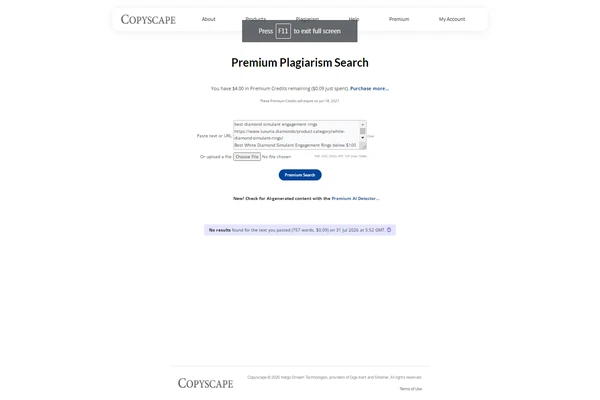
Finding a stunning piece of jewelry does not require spending thousands of dollars today. High-quality synthetic gems offer radiant sparkle without creating heavy financial strain on couples. Many shoppers actively seek the best diamond simulant engagement rings to celebrate their special bond. Brilliant craftsmanship brings beautiful clarity into modern affordable jewelry collections. Cubic zirconia choices present incredible shine through precision master cuts. Moissanite options also dazzle brightly under natural light sources daily. Beautiful silver settings hold bright sparkling stones very securely for everyday wear. Modern lovers enjoy endless design options without exceeding modest financial limits.

Popular Gem Choices for Affordable Solitaire Designs

Cubic zirconia remains a top selection among modern synthetic center stone materials. High grade zirconia stones feature remarkable clarity along with intense rainbow light refraction. Silver plating protects sensitive skin while providing long lasting shiny white surfaces daily. Now, budget conscious buyers explore the best diamond simulant engagement rings for daily wear. Delicate micro pave bands add continuous shimmer along the entire visible metal surface. But carefully crafted prong settings elevate large center stones to catch ambient light. Elegant cathedral mountings raise central gems upward for maximum light entry and shine.

Key Features to Consider When Selecting Modern Rings

Selecting reliable metal settings ensures long lasting security for fine center synthetic stones. Sterling silver offers durable daily wearability alongside an elegant white metallic sheen. Heavy platinum plating shields silver base metals against dark surface oxidation and dullness. Sometimes, shoppers prefer delicate thin bands to emphasize the relative size of central stones. Prong mountings hold central gems firmly while allowing maximum light penetration from every angle. Bezel settings enclose stone edges completely to protect precious gems during active daily routines. Careful mounting construction prevents central stones from loosening during extended periods of continuous usage.

Now, purchasing online gemstone rings offers convenient access to endless varied design portfolios. Detailed customer feedback helps smart consumers evaluate material durability and general gem brilliance. Finding the best diamond simulant engagement rings requires checking stone clarity and setting quality carefully. Smooth inner band surfaces guarantee comfortable everyday fitting for sensitive finger skin textures. Magnificent halo settings frame center gems to create impressive visual impact instantly. Lightweight band construction allows comfortable wearing during routine work tasks and evening outings.

Caring For Your Synthetic Gemstone Engagement Band

Proper cleaning routines maintain brilliant clarity across synthetic gemstone surfaces over long periods. Mild soap mixed with warm water removes everyday oil buildup effectively from faceting. Soft bristle brushes reach narrow crevices around delicate metal prong mountings safely. Regular gentle wiping prevents dull film formation across high brilliance center synthetic stones. But harsh chemical cleaners must be avoided to protect sensitive rhodium plating coats. Safe storage inside soft fabric pouches prevents unwanted surface scratches between daily wearing. Periodic professional inspections ensure metal prongs remain tight around valuable central stones always.

Unmatched Value and Timeless Beauty for Every Couple

Choosing synthetic gem jewelry represents a smart financial step toward shared future security. Couples enjoy gorgeous sparkling symbols of eternal commitment without facing heavy economic stress. Modern jewelry craftsmanship delivers incredible visual beauty through affordable synthetic gemstone creations daily. Elegant ring choices allow partners to celebrate romance with total financial peace. Timeless designs continue capturing hearts while delivering unmatched physical beauty across every season. Beautiful white synthetic gems illuminate precious romantic promises with lasting brilliance and joy. Smart shoppers celebrate life milestones confidently with gorgeous budget friendly fine jewelry choices.

Article image

The heart of any home is the kitchen, yet too many are stuck with spaces that frustrate more than they inspire. When the countertop becomes a battleground for groceries, appliances, and dinner prep, a cookie-cutter layout simply doesn’t cut it anymore.

Why Custom Kitchen Renovation Matters

A kitchen is more than just cabinets and countertops. It should anticipate your morning rush, host spontaneous conversations, and adapt to family traditions that change over time. Standard kitchens often fall short, leading to daily hassles that quietly sap your energy.

Common Challenges in Standard Kitchen Designs

Most mass-produced kitchens are built to be “good enough” for most people. That often means awkward corner cabinets, unreachable storage, and traffic jams when more than one person tries to cook or clean at the same time.

The Impact of Poor Functionality and Layout on Daily Life

A poorly designed kitchen means wasted steps, clutter, and constant frustration. It can even make simple tasks, like brewing coffee or unloading the dishwasher, feel like minor obstacle courses.

Limitations of Off-the-Shelf Solutions

Off-the-shelf designs rarely consider the unique quirks of your space or your family’s habits. The result? Gaps between appliances, mismatched finishes, and storage that never feels quite right.

Crafting the Perfect Custom Kitchen: Key Considerations

Building a kitchen around your life, not the other way around, takes thoughtful planning.

Defining Your Needs and Lifestyle Requirements

Do you entertain friends every week or cook quiet dinners for two? Understanding how you use your kitchen sets the tone for everything that follows.

Maximizing Space with Intelligent Layouts

Even the smallest kitchen can feel spacious with clever storage, optimized workflows, and the right traffic patterns. Solutions like deep drawers, pull-out pantries, and corner carousels can make every inch count.

Ergonomics: Designing for Comfort and Efficiency

The best custom kitchens prioritize movement. Counter heights, sink placement, and appliance locations should be tailored to reduce strain and make cooking effortless.

Aesthetic Choices: Blending Style with Function

Every detail, from cabinet finishes to lighting, should reflect your taste and make you feel at home. A beautiful kitchen shouldn’t just look good in photos; it should feel right in everyday life.

Technical Details: Materials, Lighting, and Appliances

Choosing the right surfaces, durable hardware, and efficient lighting can dramatically affect longevity and enjoyment. Integrated appliances and smart lighting controls offer both convenience and visual harmony.

The Custom Renovation Process Explained

A truly tailored kitchen emerges from a collaborative, step-by-step journey.

From Concept to Creation: Collaborative Planning

Customization begins by mapping your needs and sketching what’s possible. Frequent feedback ensures the final plan matches your vision and daily realities.

Role of Skilled Artisans and Specialists

Craftsmanship is essential. Expert carpenters, electricians, and project managers each play a pivotal role, translating ideas into reality with precision and pride.

Managing Timelines and Construction Phases

A clear plan for demolition, installation, and finishing touches helps minimize disruption. Regular updates keep surprises to a minimum.

Quality Control and Problem Resolution

Unexpected challenges are inevitable in renovation. The right team anticipates issues, solves them quickly, and upholds rigorous standards throughout.

Benefits of Choosing a Turnkey Renovation Service

Transforming a kitchen is complex, which is why an all-in-one service can be invaluable.

Integrated Project Management for Stress-Free Experience

With a turnkey solution, one team coordinates every step. Communication flows, timelines stay on track, and you avoid the headache of juggling multiple contractors.

Expertise in Coordinating Multiple Trades

Experienced firms ensure plumbers, electricians, and installers work in harmony, reducing delays and costly mistakes.

Ensuring Durability and Long-Term Satisfaction

A single point of accountability means that quality isn’t just a promise, it’s built into every detail, ensuring you enjoy your kitchen for years.

Bringing Your Vision to Life: Practical Steps

The journey from wish-list to working kitchen starts with insight and careful planning.

Initial Consultation and Needs Assessment

Sit down with a designer to discuss how you live, cook, and gather. This conversation uncovers priorities and sparks ideas.

Design Development and Customization Options

From material samples to 3D renderings, you’ll explore how layouts and finishes bring your vision to life.

Budget Planning and Financing Considerations

A clear budget ensures you get the best value without surprises. Many firms offer flexible payment options to make the process accessible.

Scheduling and Preparing for Renovation Day

Once plans are set, you’ll discuss timelines and prepare your home for the transformation ahead.

Maintaining and Enhancing Your Custom Kitchen

Your investment should stand the test of time.

Routine Care and Preventive Maintenance

Simple habits, like cleaning surfaces correctly and checking hardware, keep everything functioning smoothly.

Upgrading and Evolving Your Kitchen Over Time

A well-designed kitchen allows for upgrades, whether you’re adding smart tech or refreshing finishes down the road.

Leveraging Professional Support Post-Renovation

Many custom renovators, such as Rénovation de cuisine Askal Intérieurs, offer ongoing advice and solutions for tweaks or improvements as your needs evolve.

Taking Action: How to Start Your Custom Kitchen Renovation

Choosing a renovation partner is the first step toward a more functional and inspiring kitchen.

Choosing the Right Renovation Partner

Look for experience, craftsmanship, and a commitment to personalized service.

What to Expect During Your First Meeting

Bring your ideas, photos, and questions. The right designer will listen carefully and guide you through possibilities.

Questions to Ask Your Kitchen Designer

Ask about timelines, materials, warranty, and how they handle challenges. Transparency is key to a successful renovation.

Setting Realistic Goals and Timelines

A great custom kitchen isn’t rushed. Balance ambition with patience, and you’ll create a space that truly fits your life.

The art of custom kitchen renovation lies in deep collaboration, intentional design, and craftsmanship that reflects your unique story. The transformation doesn’t just update your home, it redefines how you live every day.

If your search history is anything to go by, you already have a soft spot for amateur outdoor porn videos. No judgment, it is a great pick, and here is what makes it so easy to love.

Go ahead and browse the complete run of Amateur outdoor porn videos and pick out your new favorites.

Real Amateurs, Real Risk

This is not a studio faking an outdoor set, it is real amateurs actually out in public taking a real chance. That authenticity is what makes the niche work. You are watching genuine people chase a genuine thrill, and the nervous, excited energy that comes from real risk is impossible to script. That honesty is the reason outdoor amateur content has such a dedicated following.

Free and Open

Easy access is a big part of the appeal. When content is simple to reach and free to explore, more people get to enjoy it without jumping through hoops. That openness turns casual visitors into regulars fast. There is real value in being able to browse freely and settle into your favorites at your own pace with nothing standing in the way.

Popular for Good Reason

The audience for amateur outdoor keeps getting bigger, and that momentum tells its own story. People do not return to stuff that disappoints them, so a rising fanbase is a straight up vote of confidence. As more viewers find the category, the collection sharpens its focus on what works. That kind of organic growth is far more durable than any short lived trend. Loyal viewers become the backbone here, returning often and dragging their friends along. That steady, self feeding popularity is exactly what keeps amateur outdoor porn videos near the top of so many lists.

Variety That Never Gets Boring

Nobody wants to watch the same thing on loop, which is why the range inside amateur outdoor is such a weapon. The category covers a huge spread of scenes and styles, giving you plenty of directions to wander. That variety makes each visit feel like a little adventure instead of a rerun. Whatever you are in the mood for, playful or intense, the options are right there. This kind of depth rewards curiosity too, since there is always another clip waiting just past the ones you already know. A collection that keeps surprising you is one that keeps you around.

The whole collection lives on HDPorn.Video, ready when you are.

Anywhere the Mood Strikes

A hike, a road trip, a night at the lake, outdoor scenes happen wherever the urge hits, and that spontaneity is a big part of the charm. The variety of settings keeps the category endlessly interesting, and the shared thread of open air risk ties it all together. Whatever kind of outdoor thrill you are after, this collection has a clip that delivers it.

Curated So You Do Not Waste Time

The best collections are shaped by good judgment, and amateur outdoor porn videos show it with a lineup built around genuinely strong scenes. Prioritizing quality means you spend less time sifting and more time enjoying. That careful eye gives the category a consistent tone that fans learn to count on. When the standout clips are easy to reach, the whole thing feels curated for real enjoyment instead of padded for size. This commitment to quality over sheer volume is a big part of the appeal of amateur outdoor, and it tells you your time is actually valued.

New Content Keeps Dropping

Nothing keeps the fire going like fresh material, and amateur outdoor are backed by a schedule of new uploads that keeps the collection moving. You know a quick visit might turn up clips you have never seen. That sense of discovery is powerful and it turns browsing into a small daily habit. A steady flow of additions also tells you the category is active and cared for, which builds trust in the whole experience. People stick with a collection that clearly keeps growing, and amateur outdoor porn videos keep the new stuff coming.

A Loyal, Growing Crowd

Popularity rarely happens by luck, and the steady growth here says the content is landing. People do not return to stuff that disappoints them, so a rising audience is a straight up vote of confidence. That loyal crowd also shapes the collection, since the styles people love rise to the top and the library bends toward what actually gets watched.

That is the honest picture. Amateur outdoor porn videos bring the heat and make it easy to enjoy on any screen. If that sounds like your kind of night, the full library is ready whenever the mood hits.

Turned All the Way Up

Some categories play it safe. Amateur outdoor porn videos do not, and that is the whole appeal. The tone here is naughty, bold, and completely unbothered, made for viewers who want the heat cranked up rather than hinted at. That directness is refreshing when so much content pads things out. When you are in the mood for amateur outdoor, you want energy and confidence, and this collection brings both. It knows its audience and serves them without hesitation, and that is precisely why people keep it bookmarked.

Sharp Quality That Shows Everything

Nobody wants to squint through a grainy mess, and this is where amateur outdoor porn videos really shine. Crisp high definition means you catch every detail, every look, every little moment, and none of it gets lost. Smooth playback keeps things moving so you are not stuck staring at a loading wheel while the mood dies. Phone, tablet, big screen, it all looks sharp. When the picture is this clean, the scene hits harder and holds your attention longer. Good quality is not a nice extra here, it is part of why amateur outdoor feel so satisfying to watch.

In Step With What People Crave

Relevance is a moving target, and amateur outdoor hit it by tracking the interests that shape what people watch today. Reflecting current trends keeps the collection lively and lined up with what viewers want right now. That alignment matters, because timely content is far more engaging than stuff stuck in the past. Following the mood of the crowd keeps discovery exciting too, as fresh styles work their way into the mix. That responsiveness signals a category paying attention rather than coasting, and staying in step is a real reason amateur outdoor porn videos keep earning their spot on watch lists.

Shopping can not be an easy experience for many men. Tight shirts, ill-fitting pants and jackets that don’t fit right on the shoulders are a common problem. It can complicate things when it comes to shopping for clothing.

Clothing has become more available over the years and particularly in larger sizes. Increased number of stores with improved range that emphasizes fit and comfort. The new trend has made it easier for regular shoppers to purchase big and tall clothing that suits their average spending power and comes with a simple, practical design.

Fabric that is comfortable on the body is a good clothing. It’s placed in the right position, which makes it easier to get around, feel comfortable, and feel confident throughout the day.

Comfort for everyday wear and tear.

People have a lot to wear and it needs to be comfortable as they wear it for a long time. Clothing that fits too closely or snugly in any circumstance can turn into nuisance.

Today, clothing design has seen a step forward in this aspect. There are lots of products that are now manufactured using better cuts and softer materials that give more room where it is required. This makes day-to-day life easier to deal with and more relaxed. Simple changes to design can enhance the wearability of clothing during extended wear times.

When you’re shopping for big and tall clothing today, it’s not all about the size. It’s also about ensuring the wearer is comfortable and can feel like a man all day long, without having to change and think about their attire a lot.

The idea of style choices is no longer confined.

Historically, larger sizes typically have few styles available. Many men had to settle for plain colours or simple designs which were not the personal choice. This has been a whole lot different in recent years though.

There is now a greater variety of clothing colors, fabrics, and styles, such as workwear, casual wear, and smarter options for various occasions. This provides men with greater freedom than they would otherwise have to choose from what is available.

The more options you have, the more personal your wardrobe will be. Some people like to dress up plainly, others like to dress up a bit if there are special occasions. Finding pants that fit and match size and style has become more effortless with increased availability of big and tall pants at affordable prices.

When it comes to building a wardrobe, it’s all about value.

People purchase their clothes on a regular basis, and therefore the price is an important factor. The majority of shoppers want clothing that will last, feels good and isn’t too expensive. The primary objective is usually to strike a balance between cost and quality.

There is no reason why clothes can’t be inexpensive and high quality. A lot of brands now make durable products – those that retain their shape and comfort after multiple uses and washings. This enables people to use each item they buy more.

Men who want to start creating a wardrobe of big and tall clothing can opt for a budget-friendly option to ensure they are not purchasing a lot of expensive items at a single time. It also means they don’t have to be concerned about monetary constraints when replacing parts.

The more the child is improved, the more confident he or she will be.

Clothing can affect a person’s body and mind throughout the day. Well-fitting clothes provide comfort and reduce the distraction. This can give them a boost in their confidence in both social and work environment.

A good fit also takes the pressure of having to make constant changes to your clothing or feel like you look weird in public. Instead, people can just concentrate on the day and not about what they are wearing.

Today there are more options than ever for men who need larger sizes. Finding affordable big and tall clothing is not as challenging as it used to be, thanks to improved design, comfort, and availability. This seemingly minor detail has helped a lot of people make it easier to get dressed for daily activities.

Medical billing is undergoing a massive transformation today. Technology is changing how doctors receive their payments. Many practices now face heavy financial administrative burdens. Healthcare teams spend hours processing complicated insurance paperwork. Thankfully, automated systems are stepping in to fix this issue. Companies like Claimocity are leading this digital administrative shift. Doctors can now focus entirely on healing their patients. The future promises streamlined workflows for every medical practice. Modern software eliminates costly human errors during data entry. Financial health is becoming achievable for independent medical practices.

Artificial Intelligence Revolutionizes Everyday Operations

Artificial intelligence operates quietly behind the scene. It reads complex medical charts within seconds. Smart software matches clinical diagnoses with correct billing codes. Now, billing teams do not manual enter everything. Software detects errors before the claim goes out. The physician charge capture process happens instantly at the bedside. This immediate tracking prevents lost revenue for busy doctors. But technology requires careful implementation across the clinical workflow. Sometimes, old habits resist these helpful electronic updates. This digital shift ensures long term financial stability.

Enhancing Accuracy to Minimize Claim Denials

Insurance companies frequently reject claims for tiny mistakes. Wrong patient numbers cause massive delays in payments. However, automated verification systems check identity facts instantly. The platform confirms insurance coverage before the doctor visit. Clean claims pass through the system very quickly. So, medical practices experience fewer disruptive insurance audits. Accurate data submission builds trust with major payers. AI tools continuously learn from past denial patterns. Now, the system warns billers about potential rejections. This proactive approach saves practices thousands of dollars.

Accelerating the Reimbursement Cycle for Doctors

Slow payments harm the daily cash flow severely. Traditional paper billing often takes over thirty days. Fortunately, advanced software accelerates the entire remittance timeline. Claimocity tracks every submission in real time. Doctors see their earnings hit accounts much faster. Fast processing allows practices to purchase better equipment. Consequently, physicians manage their business overhead without stress. Speed and precision work together to maximize collection. Now, electronic funds transfers happen almost immediately. Financial predictability supports better patient care delivery models.

Embracing a New Financial Era

The traditional medical billing model is officially dead. Automation brings unprecedented accuracy to healthcare administration fields. Independent practices can thrive in this competitive economy. Advanced tools reduce the stress of running offices. Doctors deserve timely payment for their vital services. Embracing modern software ensures a bright financial future. Efficiency ultimately leads to superior patient outcomes everywhere. The transformation is happening right before our eyes. Healthcare administration is finally entering the modern age.

FAQ

  1. Can robots really prevent billing headaches?
    AI catches mistakes before claims ever reach insurers.
  2. Why are reimbursements suddenly arriving lightning fast?
    Automated tracking speeds approvals and electronic payment transfers.
  3. Do compliance updates still require endless staff training?
    Cloud software automatically applies healthcare regulations behind scenes.
  4. Will automation make medical billing jobs disappear completely?
    Staff now solve complex disputes instead repetitive paperwork tasks.