
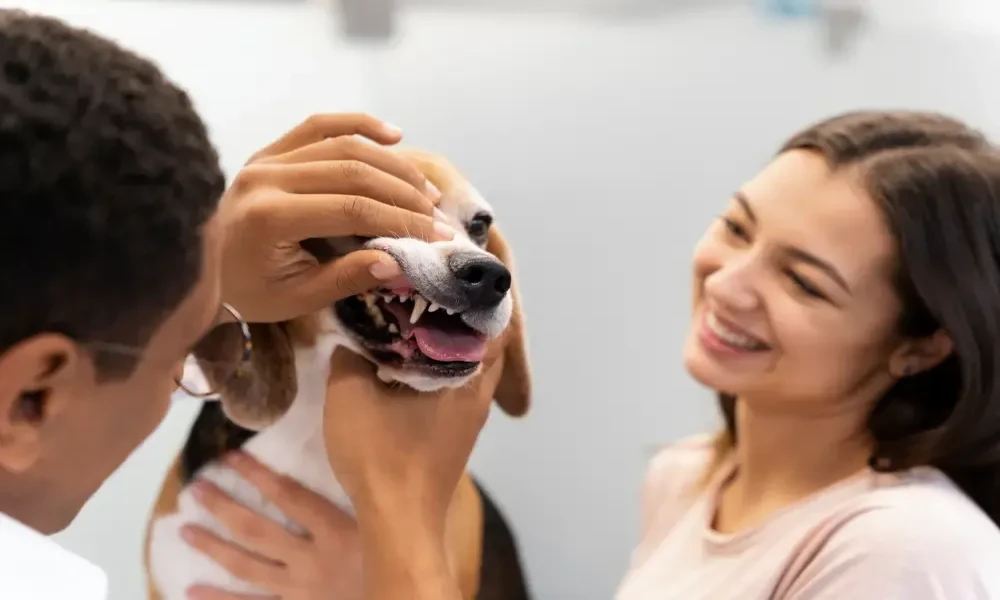
You might have noticed it slowly. A little bad breath that seemed harmless at first, food dropped from the mouth, or a pet who still wags and plays but turns away when you touch the face. That is often how dental trouble begins, and a Sudbury, ON veterinarian can help catch the signs early. It hides in plain sight, and because pets are good at masking pain, it can be hard to tell when a small issue has become a painful one.
If you are wondering whether regular cleanings really need to happen in an animal hospital, you are not overthinking it. It is a fair question, especially when you want to keep your pet safe, comfortable, and healthy without adding stress or cost you do not need. The short answer is this. Why Routine Dental Care Happens Best In Animal Hospitals comes down to safety, diagnosis, pain control, and the ability to treat problems below the gumline, where most dental disease lives.
Why can pet dental problems look minor at home but become serious fast?
On the surface, tartar can look like a cosmetic issue. A little yellow or brown buildup does not always seem urgent. But dental disease in pets is often more than what you can see. Infection can sit under the gums, teeth can loosen, and inflammation can spread long before your dog or cat shows obvious signs. According to Cornell’s guidance on dental disease and home dental care, periodontal disease is one of the most common health problems in dogs, and it often starts quietly.
Because of that, home checks have limits. You can see the outer surface of the teeth, but you cannot assess pockets under the gums, hidden fractures, root problems, or painful areas deep in the mouth. So, where does that leave you? It means routine dental care is not just about cleaning what is visible. It is about finding what your pet cannot tell you.
What makes professional pet dental care in an animal hospital different?
An animal hospital is built for more than polish and plaque removal. It gives your pet access to a full medical setting where the mouth can be examined safely and thoroughly. That matters because a proper dental cleaning for pets usually includes a physical exam, anesthesia, monitoring, scaling above and below the gumline, charting, and treatment if disease is found.
That last part is important. If a painful tooth is discovered during the procedure, the team can respond in the same setting. If dental X-rays show damage below the surface, there is a plan in place. If your pet needs extra pain support or monitoring because of age or another condition, that support is already there. Cornell’s dentistry and oral surgery service explains how veterinary dentistry and oral surgery depend on this level of evaluation and care.
You may also hear about non-anesthetic cleanings. They can make teeth look cleaner, but appearance is not the same as health. Without anesthesia, it is hard to clean under the gumline well, impossible to take a complete set of dental X-rays in most cases, and difficult to treat disease without causing fear or pain. That is why many veterinarians view true routine pet dental care as a medical service, not a cosmetic one.
Is an animal hospital really the safest place for routine dental care?
For most pets, yes. Safety is not only about the cleaning itself. It is about everything around it. Before the procedure, the team can review your pet’s health, run recommended bloodwork, and tailor anesthesia to age, breed, and medical history. During the procedure, trained staff monitor breathing, heart rate, blood pressure, and oxygen levels. Afterward, recovery happens under supervision.
That kind of support matters even when a pet seems healthy. It also matters when the unexpected happens. A loose tooth may need extraction. A mass may be found. A cat may have painful resorptive lesions that were invisible at home. In an animal hospital, those findings do not become a second crisis or a delayed problem. They can be addressed with a clear medical plan.
How does home care compare to dental care at an animal hospital?
Home care still matters. In fact, it is one of the best ways to extend the benefits of a professional cleaning. But home care and hospital care do different jobs. One helps maintain oral health day to day. The other diagnoses and treats disease that cannot be managed with brushing alone.
| Care Option | What It Helps With | Limits | Best Use |
|---|---|---|---|
| Tooth brushing at home | Reduces plaque, supports gum health, freshens breath | Cannot clean below the gumline or diagnose hidden disease | Daily prevention between professional visits |
| Dental chews or approved products | May lower plaque and tartar in some pets | Not a substitute for exams or treatment, not right for every pet | Added support when recommended by your veterinarian |
| Professional cleaning in an animal hospital | Full oral exam, scaling under the gums, X-rays, treatment planning | Requires scheduling, cost, and anesthesia planning | animal hospital dental care for prevention, diagnosis, and treatment |
If you want a helpful owner guide, the AVMA offers a clear pet dental care brochure that explains warning signs, prevention, and what to expect from veterinary care.
What can you do right now if you are worried about your pet’s teeth?
1. Look for the quiet signs.
Bad breath, drooling, pawing at the mouth, chewing on one side, dropping food, or mood changes can all point to oral pain. Even if your pet is still eating, do not assume everything is fine. Many pets continue eating through discomfort.
2. Start simple home care.
If your pet allows it, begin with a pet-safe toothbrush and toothpaste. Go slowly. A few seconds of calm brushing is better than turning it into a battle. If brushing is not possible yet, ask your veterinarian about rinses, wipes, or dental diets that fit your pet’s needs.
3. Schedule a dental exam at an animal hospital.
This is the step that brings clarity. A veterinary exam can tell you whether your pet needs routine cleaning, imaging, treatment, or just a stronger prevention plan. It turns guesswork into a plan you can trust.
When you want peace of mind, where should routine dental care happen?
Usually, the best answer is the place equipped to protect your pet from start to finish. That is why routine dental care happens best in animal hospitals. Teeth and gums are not separate from the rest of the body, and dental disease is not just a cosmetic concern. With the right setting, your pet gets careful monitoring, a full assessment, and treatment that reaches the hidden parts of the problem.
If your pet’s breath has changed, meals are taking longer, or you simply want to stay ahead of problems, now is a good time to schedule a dental evaluation at an animal hospital. A small step today can spare your pet a lot of pain later, and it can give you the relief of knowing you acted before a quiet issue became a hard one.

Comments are closed.