
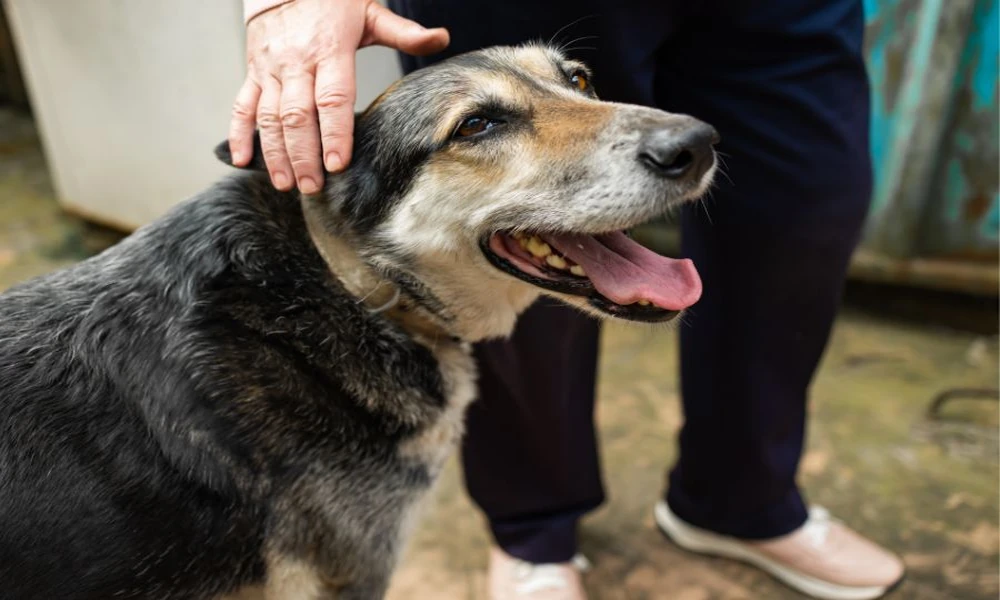
You want to feel sure you are doing right by your pet, and finding a trusted West Grove animal clinic can make that feel a little less overwhelming. That sounds simple until real life gets involved. A skipped checkup turns into a nagging worry. A small change in appetite has you searching online at midnight. A trip, a new medication, a behavior shift, a strange cough, all of it can make you feel like you are one missed sign away from a bigger problem.
That is why ongoing veterinary care matters so much. It is not only about vaccines or annual exams. It gives you a steady relationship with a general veterinarian who knows your pet, tracks patterns over time, and helps you make decisions before stress turns into urgency. Confidence grows when you are not guessing alone.
Regular veterinary care turns uncertainty into a plan
Pets hide discomfort well. Dogs and cats often keep eating, walking, and acting mostly normal even when something is off. By the time signs are obvious, the issue may be harder or more expensive to treat. Regular visits create a baseline. Your veterinarian knows what is normal for your pet’s weight, skin, teeth, coat, mobility, and behavior, which makes subtle changes easier to spot.
You see the difference when a pet starts drinking more water, scratching more often, or slowing down on walks. On its own, each change may look minor. Over time, those details can point to dental disease, allergies, arthritis, endocrine problems, or anxiety. A general veterinarian can connect those dots because they have seen the full picture, not just a single bad day.
This is where consistent pet healthcare gives owners peace of mind. You are no longer reacting to every symptom as if it appeared out of nowhere. You have records, history, and a professional who can tell you whether something needs prompt care, routine follow up, or simple monitoring at home.
Preventive care protects your budget as much as your pet
Many owners delay visits because they are trying to save money. That instinct makes sense. Vet care is part of a household budget, and unexpected costs can hit hard. The problem is that delayed care often costs more. A mild ear infection can become a painful chronic issue. Early dental buildup can progress to extractions. A manageable weight gain can turn into joint strain and long term disease.
Preventive care spreads costs out in a more predictable way. Exams, vaccines, parasite prevention, and routine lab work are easier to plan for than an emergency visit after a problem has been building for months. That financial predictability builds emotional confidence too. You are less likely to feel cornered into rushed decisions when you already have a care routine in place.
Public health guidance supports this approach. The CDC’s information on healthy pets and safe animal contact explains how routine pet care protects both animals and people. The CDC also offers practical guidance for dog health and safety, including prevention steps that fit into normal daily life.
Ongoing care makes everyday decisions easier
Confidence is not just about avoiding emergencies. It shows up in ordinary moments. You want to know which food change is reasonable, whether your pet is ready for travel, or if that limp after play needs an exam. When you already have a relationship with a veterinarian, those decisions become clearer and faster.
Travel is a good example. Pet owners often assume they can handle paperwork at the last minute, then find out there are health certificates, vaccine timing rules, or destination requirements. The USDA’s pet travel process overview shows how detailed that process can be. Ongoing care helps because your veterinarian already has your pet’s records, vaccine history, and health status in order.
Routine veterinary visits also help when life changes at home. A new baby, a move, a second pet, aging changes, or a new work schedule can all affect behavior and health. You do not need to wait until things feel unmanageable. A general veterinarian can help you sort out what is medical, what is behavioral, and what can be improved with simple changes.
Comparing reactive care with ongoing veterinary care
| Approach | What It Often Looks Like | Likely Result for Owners | Likely Result for Pets |
|---|---|---|---|
| Reactive care only | Visits happen only when symptoms are obvious or urgent | More stress, rushed choices, less budget control | Problems may be found later, treatment may be more complex |
| Ongoing veterinary care | Regular exams, prevention, follow ups, and a known medical history | More confidence, clearer guidance, more predictable costs | Earlier detection, steadier monitoring, better long term health support |
| Home monitoring without professional follow up | Owners track symptoms but delay evaluation | Uncertainty, second guessing, heavy reliance on internet searches | Some issues improve, others worsen without timely treatment |
Three steps you can take right away
Schedule care before there is a crisis. Book your pet’s next wellness exam, even if nothing seems wrong. That single step changes the tone from reactive to proactive and gives your veterinarian a current baseline.
Track small changes at home. Write down shifts in appetite, water intake, energy, bathroom habits, scratching, coughing, or movement. Those details help a veterinarian spot patterns that are easy to miss in memory alone.
Ask for a prevention plan that fits your pet’s life. A young indoor cat, a senior dog with joint stiffness, and a pet that travels all need different support. A general veterinarian can map out vaccines, parasite prevention, dental care, lab work, and follow ups based on actual risk, not guesswork.
Confidence grows when care becomes consistent
Pet ownership comes with real responsibility, and some worry is part of loving an animal who depends on you. That does not mean you have to carry all of that uncertainty by yourself. Ongoing veterinary care builds confidence because it replaces guessing with guidance, scattered decisions with a plan, and fear with a clearer sense of what your pet needs next.
When you stay connected to a trusted veterinarian, you are not only protecting your pet’s health. You are giving yourself room to breathe, ask better questions, and move forward with more peace of mind.

Comments are closed.