
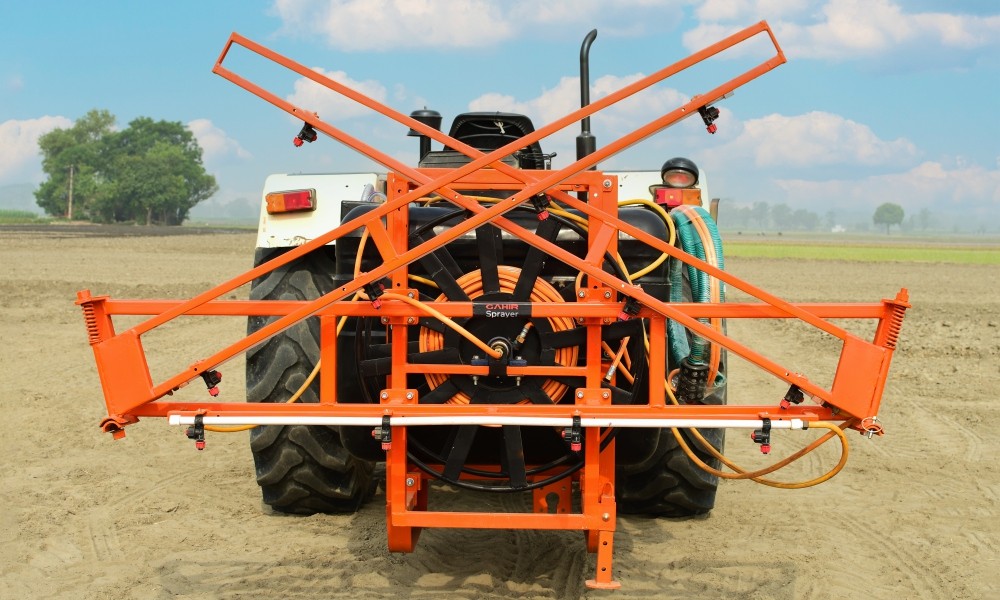
Farm equipment and construction machinery are often viewed as separate categories, each designed for specific industries. However, there is a significant overlap between the two, as many machines share similar functions, designs, and capabilities. Understanding the farm equipment and construction machinery overlap can help landowners, farmers, and contractors make better investment decisions and maximize the use of their equipment.
Shared Core Functions
Both farm and construction machines are built to perform heavy-duty tasks such as digging, lifting, transporting, and levelling. While the purpose may differ, the core mechanical functions remain similar. For example, moving soil on a farm for irrigation preparation is not very different from moving earth on a construction site.
Multi-Purpose Machinery
Certain machines are commonly used in both agriculture and construction due to their versatility. Equipment designed for one sector can often be adapted for another with minimal modifications.
Examples of multi-purpose equipment include:
- Tractors: Used in farming for ploughing and hauling, and in construction for pulling and light earthwork
- Loaders: Helpful in lifting and transporting materials such as soil, sand, or crops
- Backhoes: Useful for digging trenches, whether for irrigation or building foundations
Attachment-Based Flexibility
Modern machinery is designed to support various attachments, making it suitable for multiple applications. A single machine can perform several tasks simply by changing its attachments. This flexibility allows users to switch between agricultural and construction work without investing in separate machines.
Common attachments include:
- Buckets for digging and loading
- Forks for lifting and moving materials
- Blades for levelling and grading surfaces
Similar Design and Technology
Farm equipment and construction machinery often use similar engineering principles and technologies. Features such as hydraulic systems, GPS tracking, and automated controls are widely used in both industries. These technologies improve efficiency, precision, and ease of operation.
Cost Efficiency and Resource Optimization
Understanding the overlap between these machines can help reduce costs. Instead of purchasing separate equipment for different purposes, owners can invest in versatile machinery that serves multiple functions. This approach not only saves money but also reduces maintenance and storage requirements.
Skill Transfer Between Industries
Operators trained to handle one type of machinery can often adapt quickly to another. The basic controls and operating techniques are similar, making it easier for workers to transition between farming and construction tasks. This increases workforce flexibility and productivity.
Expanding Opportunities for Landowners
The overlap between farm and construction equipment creates additional opportunities for landowners and investors. Machinery can be rented out or used for multiple projects, generating extra income. It also allows for faster project completion, as the same equipment can handle different types of work.
Recognizing the similarities between farm equipment and construction machinery highlights the value of versatility and efficiency. By using adaptable machines and modern technology, both farmers and contractors can achieve better results while minimizing costs and maximizing productivity.

Comments are closed.