
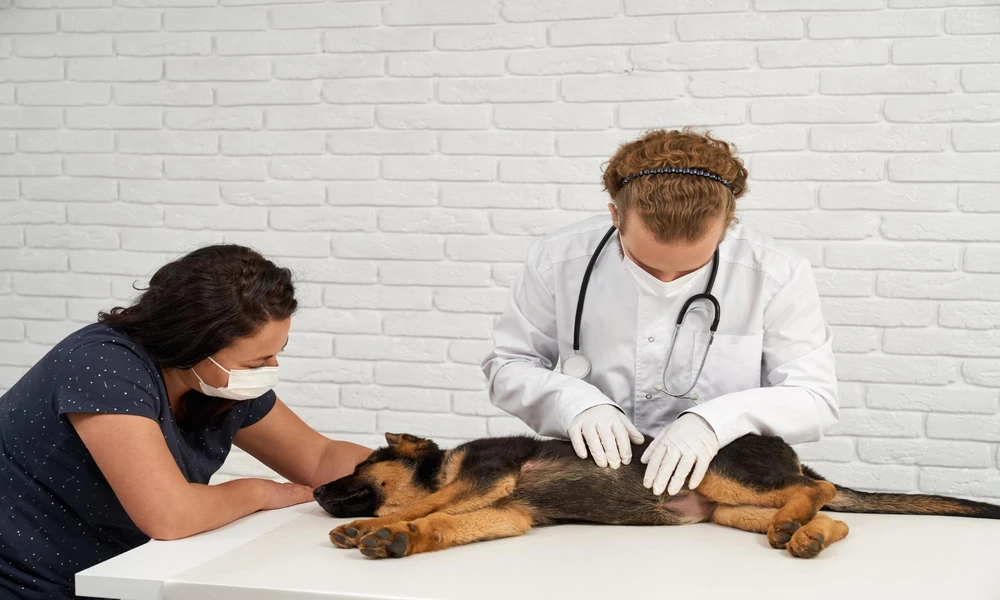
You might be watching your pet move a little slower, eat a little less, or pull away when you touch a spot that never seemed tender before, and a Centreville veterinarian can help you understand what those changes might mean. That change can feel small at first, then suddenly very hard to ignore. When an animal is in pain, you often sense it before you can explain it, and that uncertainty can leave you worried, guilty, and eager to help.
The good news is that an animal hospital does not treat pain as a single problem with a single fix. Pain care is usually a layered plan that looks at the cause, your pet’s age, health history, behavior, and recovery goals. In simple terms, How Animal Hospitals Provide Pain Management Strategies comes down to careful assessment, safe medication choices, close monitoring, and adjustments over time so your pet can rest, heal, and return to daily life with less distress.
Why does pet pain feel hard to spot, and why does that matter so much?
Animals rarely describe pain in ways that are obvious to you. Some pets become quiet and withdrawn. Others get restless, hide, pant, limp, or stop jumping onto the couch. A cat may stop grooming. A dog may seem irritable when touched. Because these signs can look like aging, stress, or simple fatigue, pain may go untreated longer than anyone wants.
Because of this tension, you might wonder whether waiting a few days is harmless. Sometimes it is not. Pain can slow healing, reduce appetite, disturb sleep, and make a pet fearful of movement or handling. After surgery, dental work, injury, or chronic illness, untreated pain can affect both the body and behavior. That is why veterinary pain management is usually proactive rather than reactive.
In an animal hospital, the team often starts with a physical exam, medical history, and a discussion about what you have noticed at home. They may ask when the pain seems worse, whether walking has changed, and how your pet is eating, sleeping, and using the litter box or going outside. If needed, they may recommend imaging, blood work, or other tests to find the source. Treating pain well means understanding what is causing it, not just trying to mute it.
What does a pain control plan at an animal hospital usually include?
A strong pain plan is rarely built around one tool. Instead, hospitals often use what is sometimes called a multimodal approach, which means combining methods that work in different ways. That could include anti inflammatory medicine, nerve pain medicine, local anesthetics, cold or heat therapy, activity limits, rehabilitation, or special support during and after surgery.
For example, if your dog needs a procedure, the hospital may manage pain before anesthesia, during the procedure, and through recovery. If your cat has arthritis, the plan may focus less on a one time event and more on long term comfort, mobility, and home changes. Cornell’s anesthesia and pain medicine service shows how closely hospitals connect sedation, monitoring, and pain relief throughout treatment, especially for pets with complex needs. You can learn more from Cornell’s anesthesia and pain medicine service.
So, where does that leave you as the person making decisions? It means your role matters. Your observations help the veterinary team judge whether a plan is working. If your pet still cries out, refuses stairs, or seems groggy or uneasy, that feedback helps guide the next step.
How do animal hospitals balance pain relief with safety?
This is often the part people worry about most. You want your pet comfortable, but you also want treatment to be safe. That concern is valid. Pain medicines can help a great deal, yet they are not one size fits all. A pet with kidney disease, liver concerns, stomach issues, or certain breed related risks may need a different plan than a young healthy pet recovering from routine surgery.
That is one reason hospitals stress proper dosing and follow up. Human pain medicine should never be given unless a veterinarian has specifically directed it. Some common over the counter products can be dangerous for pets. The FDA explains these risks clearly in its guide on pain relievers for pets.
Pet pain treatment also involves watching for side effects such as vomiting, diarrhea, poor appetite, sedation, or behavior changes. If those appear, the hospital may reduce a dose, switch medications, or add a different support method. Good pain care is not static. It changes as your pet changes.
What practical options should you compare when discussing pain management?
When you talk with an animal hospital, it helps to compare the most common parts of a pain plan side by side. That way, you can ask better questions and understand why one option may fit your pet better than another.
| Approach | When It May Be Used | Main Benefit | Key Consideration |
|---|---|---|---|
| Prescription anti inflammatory medication | Arthritis, injury, post procedure recovery | Reduces inflammation and pain | Needs correct dosing and monitoring, especially in pets with kidney, liver, or stomach concerns |
| Opioid or stronger hospital based pain relief | After surgery, severe injury, advanced illness | Useful for short term moderate to severe pain | May cause sedation or require closer supervision |
| Local anesthetic or nerve block | Dental work, surgery, targeted painful areas | Can reduce pain at the source and lower need for other drugs | Usually part of a procedure based plan |
| Rehabilitation and home support | Chronic pain, orthopedic recovery, senior pets | Improves mobility and comfort over time | Works best with consistency and follow through at home |
A root service mention like animal hospital care is important here because pain support is often connected to diagnostics, surgery, dental treatment, and recovery planning. In other words, comfort is part of treatment, not an afterthought.
What can you do right now if you think your pet is hurting?
Track the changes you see. Write down when the pain seems worse, whether your pet is eating, how they walk, and any behavior changes. Short videos can help too. These details give the hospital a much clearer picture than a general sense that something feels off.
Ask specific questions about the plan. Ask what type of pain your pet may have, how the medicine works, what side effects to watch for, and when improvement should show up. Also ask what to do if your pet seems worse at night or on the weekend.
Do not give human medication unless you are told to. It can be tempting when your pet looks uncomfortable, especially if you have medicine at home. Still, that shortcut can create a much bigger problem. Call the hospital first and get guidance that fits your pet’s weight, condition, and medical history.
How do you move forward with less fear and more clarity?
If your pet is in pain, you do not need to solve it alone or guess your way through it. Animal hospitals provide pain management strategies by combining medical judgment, monitoring, and practical support that can ease suffering and protect healing at the same time. Even if you are still unsure what is wrong, paying attention early and asking for help can make a real difference.
Your concern is not overreacting. It is part of caring well. If your pet seems uncomfortable, reach out to an animal hospital and ask for a pain assessment so you can get a plan that fits what your pet needs now.

Comments are closed.