Human composting offers several cost-effective advantages for how to plan a funeral:
- Elimination of Expensive Caskets:
- Reduced Material Costs: Human composting eliminates the need for expensive caskets, which can be a significant cost factor in traditional burial methods. Instead of purchasing a costly casket, individuals undergoing human composting can be placed in a simple, biodegradable container or shroud, significantly reducing the overall cost.
- Affordable Alternative Options: Many providers of human composting services offer a range of affordable alternative options for containers or shrouds, allowing individuals to choose a cost-effective option that meets their preferences and budget.
- Avoidance of Embalming Chemicals:
- Elimination of Embalming Costs: Human composting eliminates the need for embalming, which is a costly process involving the use of chemicals such as formaldehyde. By avoiding embalming, individuals can save on the associated costs, including the fees for embalming services and the purchase of embalming chemicals.
- Reduction in Funeral Home Expenses: Without the need for embalming, individuals undergoing human composting can choose to have a more straightforward and cost-effective funeral or memorial service, further reducing overall expenses.
- No Need for Cemetery Plot:
- Elimination of Burial Plot Costs: Human composting eliminates the need for a traditional cemetery plot, which can be one of the most significant expenses associated with traditional burial methods. Instead of purchasing a burial plot, individuals undergoing human composting can choose to have their compost returned to the earth, either in a designated green burial site or in a location of their choosing.
- Lower Cemetery Fees: Green burial sites or natural burial grounds where human composting is conducted typically have lower or no cemetery fees compared to traditional cemeteries. This helps reduce the overall cost of end-of-life arrangements for individuals and their families.
- Savings on Funeral Expenses:
- Overall Cost Savings: Human composting offers cost savings compared to traditional burial methods, as it eliminates the need for expensive caskets, embalming chemicals, and cemetery plots. In addition to direct cost savings, human composting can also help reduce other funeral-related expenses, such as funeral home fees, transportation costs, and memorial service expenses.
- Transparent Pricing: Many providers of human composting services offer transparent pricing and package options, allowing individuals to understand the cost of the service upfront and choose an option that fits their budget. This transparency helps individuals and families make informed decisions about their end-of-life arrangements and ensures that there are no hidden costs or unexpected expenses.
Overall, human composting is a cost-effective alternative to traditional burial methods, offering significant savings on caskets, embalming chemicals, cemetery plots, and other funeral-related expenses. By eliminating unnecessary costs and offering affordable alternative options, human composting helps make end-of-life arrangements more accessible and financially manageable for individuals and their families.
How Does Human Composting Help with Funeral Planning and Community Involvement?
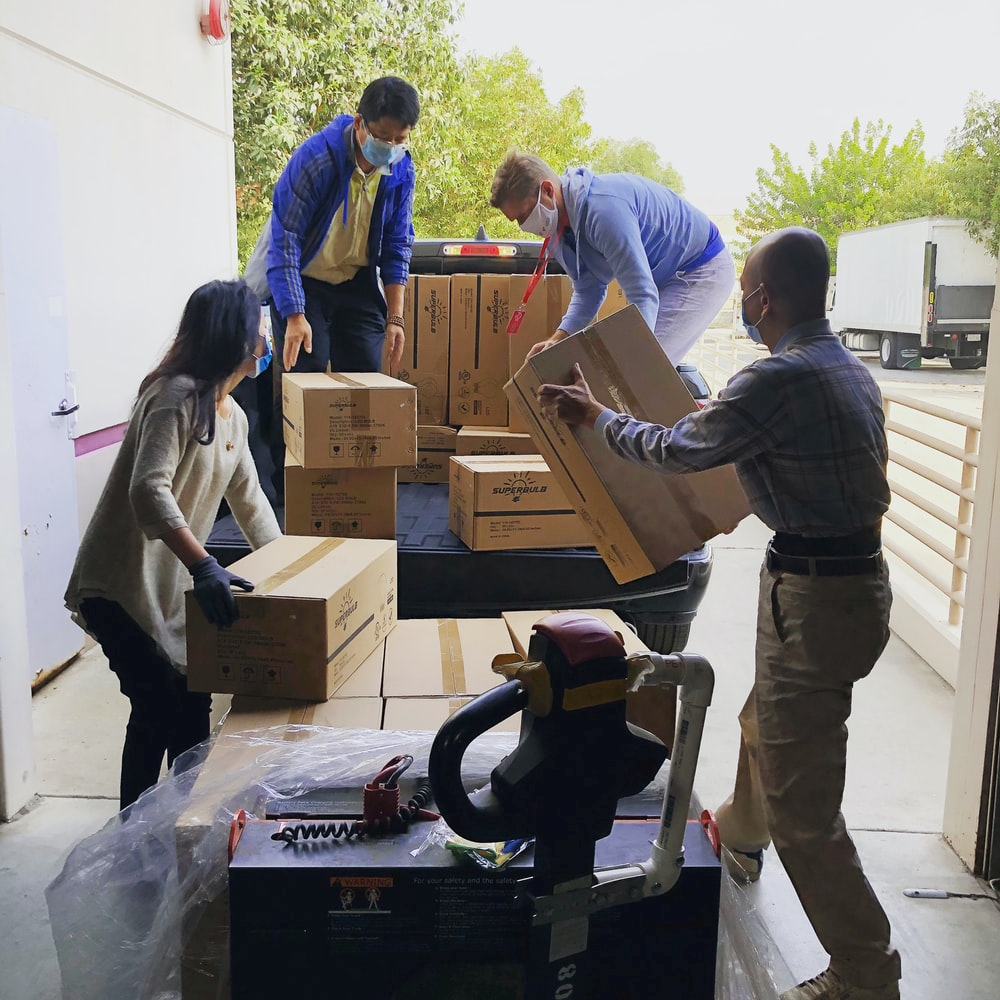
Human composting encourages community involvement in funeral planning in several ways:
- Community Engagement:
- Shared Values: Human composting often aligns with community values related to environmental sustainability, conservation, and stewardship. Choosing human composting allows individuals and their families to connect with like-minded community members who share a commitment to protecting the environment and promoting sustainable practices.
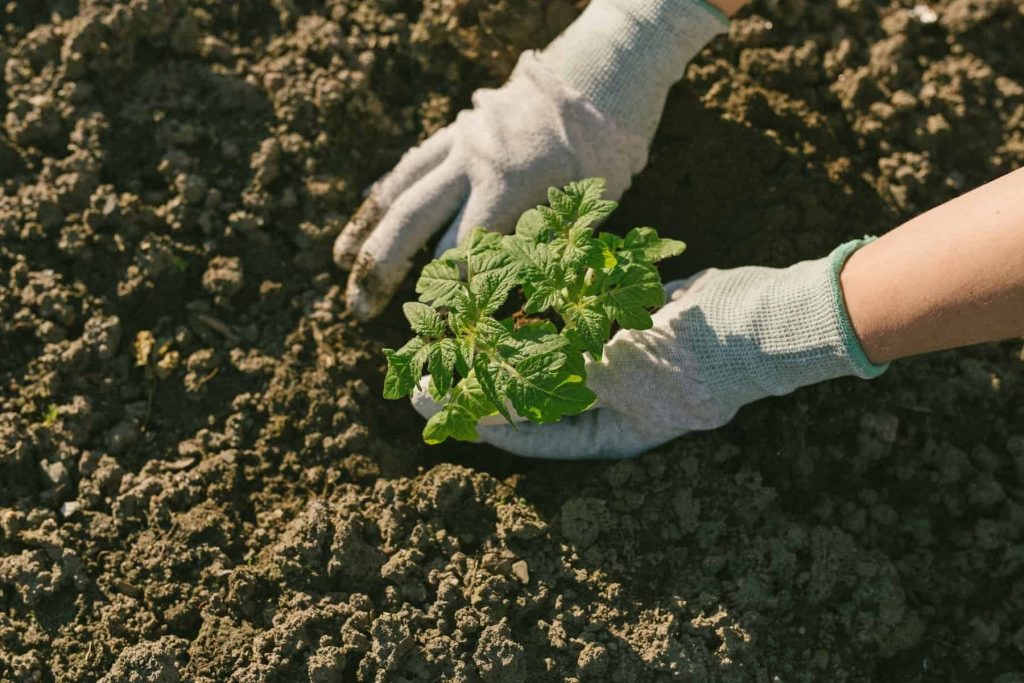
- Community Participation: Human composting sites may involve the local community in site management, conservation efforts, and memorialization activities. Community members may participate in tree plantings, habitat restoration projects, and other activities that contribute to the beauty and sustainability of the burial site.
- Educational Outreach:
- Public Awareness Campaigns: Human composting sites often engage in public awareness campaigns and educational outreach efforts to inform the community about the benefits of human composting and environmentally friendly end-of-life practices. These campaigns raise awareness about environmental sustainability, conservation, and the importance of making environmentally responsible choices.
- Community Events and Workshops: Human composting sites may host community events, workshops, and educational programs that promote environmental stewardship, sustainable living, and human composting practices. These events provide opportunities for community members to learn, engage, and connect with one another around shared values and interests.
- Interfaith and Interdisciplinary Collaboration:
- Dialogue and Collaboration: Human composting encourages dialogue and collaboration between different faith traditions, scientific communities, and environmental organizations. Interfaith and interdisciplinary collaboration help foster understanding, respect, and acceptance of human composting practices within the community.
- Inclusivity and Diversity: Human composting sites strive to be inclusive and welcoming spaces for people of all faiths, cultures, and backgrounds. By embracing diversity and promoting inclusivity, human composting sites create opportunities for community members to connect, learn, and grow together around shared values and interests.
- Legacy and Community Impact:
- Environmental Legacy: Choosing human composting allows individuals to leave behind an environmental legacy and make a positive contribution to the health and sustainability of the environment. By supporting environmentally friendly end-of-life practices, individuals can help protect natural resources, preserve biodiversity, and promote environmental stewardship for future generations.
- Community Well-Being: Human composting sites contribute to the well-being of the community by providing a beautiful and tranquil space for reflection, remembrance, and connection with nature. These sites serve as valuable resources for the local community, promoting mental health, emotional healing, and spiritual renewal.
Overall, human composting encourages community involvement in funeral planning by promoting shared values, environmental stewardship, and community engagement. By engaging with the local community, fostering dialogue and collaboration, and promoting environmental sustainability, human composting sites create opportunities for community members to connect, learn, and grow together around shared values and interests.