
Category

Business

Category

Despite countless organizations striving day in, day out, results still appear to be patchy. Things get done, but it always seems to take a while. The problem is rarely effort. That’s typical of how ops are organized. Indeed, operational assessment services are it.

And rather than guessing where changes are needed the services show what is occurring across the business.

What are Operational Assessment Services?

Operational assessment services give a systematic analysis of the daily functioning of a business. They analyze processes, people, systems, and decision flows as they actually are.

The purpose is simple. Identify inefficiencies, risks, and gaps. Define concrete actions to enhance performance.

This is not theory or opinion. This is a straight-up reality check.

Why are Operational Assessment Services Important?

Your efficiency in habits becomes a daily behavior over time. Teams create workarounds. Small issues grow quietly.

By conducting an operational assessment services business can:

  • Expose hidden bottlenecks
  • Reduce duplicated work
  • Improve coordination between teams
  • Stay focused on business objectives every day

Clarity makes improvement possible.

What is Covered During an Operational Assessment?

Robust assessments are not just based on the first visible problems. That is, they are concerned with how work moves through the organization.

Common areas include:

  • Workflow efficiency and handoffs
  • Role clarity and accountability
  • Resource and capacity usage
  • Technology effectiveness
  • Risk and compliance exposure

Through these connections, operational assessment services expose where the real failures in performance live.

Common Findings from Operational Assessments

Assessments tend to expose similar issues across industries:

  • Too many approval layers
  • Manual tasks that increase errors
  • Conflicting priorities across departments
  • Closed systems of non-data sharing

These are not people problems. They are system problems.

How Operational Assessment Services Help You Perform Better

Broad changes rarely work. Focused improvements do.

Operational assessment services enable organizations to:

  • Target high-impact changes
  • Remove low-value activities
  • Improve consistency and accountability

Minor tweaks in the right areas usually bring about sustained impact.

Operational Assessment Services Compared to Operational Audits

Now, these terms are interchangeable but not identical.

Operational assessment services:

  • Focus on improvement
  • Look forward, not backward
  • Provide actionable recommendations

Operational audits:

  • Focus on compliance
  • Check rules and standards

Assessments help businesses get better. Audits help them stay compliant.

Under What Circumstances Do Businesses Need Operational Assessment Services?

Most organizations do this until − the performance starts to plummet. This lag time adds expense and risk.

You can never be certain when operational assessment services prove effective, here are the instances when it is valuable:

  • Growth creates complexity
  • Costs rise without clear reasons
  • Deadlines are missed
  • Teams feel overloaded

Taking action early avoids bigger issues later on.

Operational Assessment Services: Who Benefits Most

This makes these services ideal for various organizations, such as:

  • Growing businesses
  • Companies preparing for change
  • Teams under constant pressure
  • Leaders seeking better visibility

Operational assessment services can be leveraged by any organization seeking control.

Final Thought: Visibility Drives Improvement

Operational problems rarely fix themselves. They hide until results suffer.

Operational assessment services create transparency, organization, and liveliness. They tell us what to change, what to preserve and what to work on next.

If you see it perform, it will act.
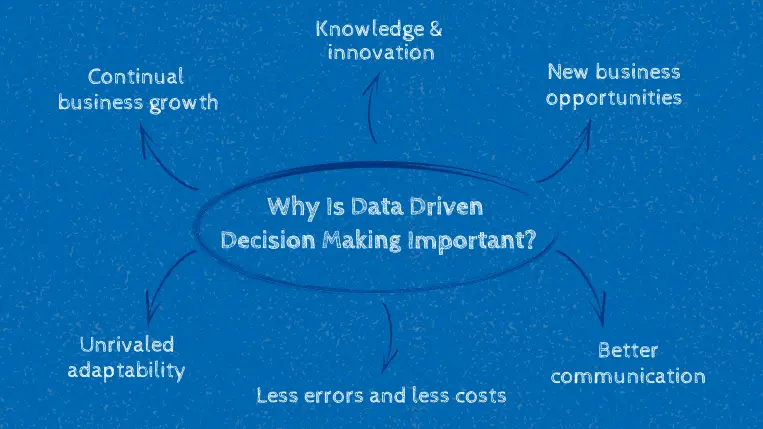
Data analytics is the process of leveraging data to boost decision-making. In finance, it helps to explain what has happened in the past and predict what might happen in the future. This plays a major role in deciding to invest in the right areas. Several decisions in a company are taken based on these analyses. With the help of data analytics and an accountant in Columbia, MD, you can better understand spending money and manage risks. 

Why is Data Analytics Important?

Data analytics assists in ensuring that the best financial decisions are made. Therefore, by analyzing previous financial results and ratios, it is possible to identify trends. Such information can assist you in making perfect decisions, such as purchasing or selling stocks or utilizing available resources. When you make any financial decisions based on the previous datasets, your investment portfolio will become stronger. In this way, the chances of losing money will decrease, and profits and gains will be better. 

Learning the Basics

To use data analytics, one needs to have good quantitative skills. These skills are necessary to process financial data using statistical and mathematical techniques. This involves mastering the skills of handling numbers and data analysis tools and predicting outcomes. Remember, the more you practice calculations using these tools, the better your analytical skills will become. Research the trending financial tools in the market and start using them.

Applying Data in Real Life

Applying data skills in real life entails solving actual financial problems. For instance, you could use financial ratios to predict market performance or evaluate a company’s solvency. This practical experience teaches how data can be used in decision-making, particularly when financial inputs are required.

Importance of Experienced Teachers

Experienced teachers are useful in learning data analytics. They will better understand what to learn and how to learn. They provide both theoretical knowledge and practical experience. Due to practical training, students can see how data skills may be utilized in various financial systems. You can save more money once you are good at financial skills. Unnecessary monetary wastage will be reduced.

Getting Practical Experience

Gaining practical experience is important. This includes internships and real-life projects that enable the students to implement what they have learned. Employment in financial institutions or companies is helpful since it provides practical knowledge, which is crucial for practicing data analysis for financial decision-making.

Comparing Learning Approaches

The various schools and programs teach finance in their own style. Some are academic-oriented, or in other words, theoretical, while others are more hands-on and skills-oriented. This is because a balanced approach to learning theories and practicing is advisable for effectively using data in financial decisions.

Success Stories

Observing real-life examples of successful professionals can also psychologically demonstrate the significance of data analytics. Finance experts tend to possess specialized data skills. Their success often comes from their ability to analyze data effectively and make informed decisions.

Future Trends in Finance

The future of finance will depend even more on data. Modern technologies like machine learning(ML) and artificial intelligence(AI) are becoming important. These technologies help analyze large amounts of data and make accurate predictions, so learning about them can be very useful.

Using Advanced Technologies

Advanced tools like AI/ML are becoming crucial in finance. They help automate complex tasks and improve prediction accuracy. Learning these tools can prepare you for future developments in the finance industry.

Conclusion

Data analytics is essential for making smart financial decisions. Understanding how to analyze and use data helps make better choices and manage financial risks. As data plays a big role in finance, strong analytical skills will be key to success.

Blockchain technology, coupled with proprietary implementations, presents unique challenges in intellectual property licensing in cryptocurrency. As Bitcoin and related technologies mature, efficient mechanisms for managing patents, copyrights, and trademarks become increasingly crucial for innovation. Licensing clearinghouses offer a potential solution by creating centralised platforms where rights holders and potential licensees can connect and execute agreements efficiently. The growth of cryptocurrency innovation is reflected in patent trends, Check this out as a sign of why structured oversight is becoming essential.

How do clearinghouses bridge the gap?

Intellectual property clearinghouses in the Bitcoin ecosystem serve as intermediaries that reduce transaction costs associated with licensing negotiations. They maintain databases of available patents, copyrights, and trademarks related to cryptocurrency technologies, making it easier for potential licensees to discover relevant intellectual property. These platforms standardise licensing terms and payment structures, reducing the need for custom negotiations in each transaction. The most effective clearinghouses provide valuation services that help establish fair market rates for different types of intellectual property. This pricing transparency benefits rights holders and licensees by creating reasonable expectations and reducing information asymmetry. Some platforms incorporate automated payment systems using the blockchain technology they help license, designing efficient, trustless transaction mechanisms for ongoing royalty distributions.

Operational mechanics

  • Patent pools allow multiple cryptocurrency innovators to cross-license complementary technologies
  • Smart contract licensing agreements automatically execute payment terms when triggered
  • Standardised license templates reduce legal costs while maintaining customisation options
  • Dispute resolution mechanisms specific to blockchain IP issues prevent costly litigation
  • Verification systems confirm the validity and ownership of cryptocurrency-related patents
  • Usage tracking tools monitor implementation to ensure compliance with licensing terms
  • Royalty distribution automation reduces administrative overhead for multi-party agreements

Stakeholder incentives

Creating effective Bitcoin IP clearinghouses requires balancing the interests of multiple stakeholders within the ecosystem. For patent holders, these platforms provide monetisation opportunities without the expense and uncertainty of direct enforcement actions. Small innovators gain particularly valuable benefits through increased discoverability of their intellectual property and access to standardised licensing frameworks that might otherwise be unaffordable. Clearhouses reduce the risk of accidental infringement for technology implementers by providing comprehensive databases of existing patents with clear ownership information. This transparency simplifies due diligence processes and enables better risk management. The cryptocurrency community benefits from reduced litigation, more predictable licensing costs, and increased innovation through clearer paths to technology commercialisation.

Protection meets innovation

Inventive freedom and intellectual property protection create a unique environment for Bitcoin licensing. Successful clearinghouses navigate this complexity by developing models that protect legitimate innovations while preventing patent trolling or innovation-stifling practices. Rather than simply replicating traditional IP management approaches, cryptocurrency clearinghouses adapt to the collaborative nature of blockchain development.

These specialised platforms often incorporate governance mechanisms that reflect the democratic values embedded in many cryptocurrency projects. Community voting on fair licensing terms, transparent fee structures, and public databases of prior art all contribute to an intellectual property ecosystem that balances protection with accessibility. This balanced approach supports sustainable innovation by providing appropriate rewards for creators while preventing excessive restrictions on technology implementation. As the cryptocurrency ecosystem matures, specialised intellectual property clearinghouses will play an increasingly important role in managing the growing portfolio of blockchain-related innovations.

Shipping is more than just sending a package from one place to another. It involves ensuring that items arrive safely, securely, and in the best condition possible. The right packaging materials play a crucial role in this process, protecting contents from damage, environmental factors, and handling mishaps. Choosing high-quality materials can make a significant difference in reducing costs, maintaining product integrity, and enhancing customer satisfaction.

Protecting Items from Damage

One of the most important reasons to invest in proper packaging materials is to prevent damage. Using high-quality packaging supplies helps safeguard items as they go through multiple handling stages, from being placed in trucks to being sorted in warehouses. Without sturdy packaging, fragile items can break, electronics can suffer from impact, and perishable goods may be exposed to unfavorable conditions.

Materials like bubble wrap, foam inserts, and corrugated boxes offer an added layer of protection. They cushion the contents and absorb shock during transit. For liquids, leak-proof containers help prevent spills that could damage other items in the shipment. The right combination of packaging materials ensures that goods reach their destination in pristine condition.

Cost-Effective Shipping Solutions

Using appropriate packaging materials can lead to cost savings in the long run. While it may seem like an added expense initially, quality packaging reduces the risk of returns and replacements due to damaged goods. Companies that frequently deal with returns often find that poor packaging is one of the primary reasons for product damage.

Additionally, choosing the right-sized boxes helps minimize dimensional weight charges. Carriers often calculate shipping costs based on both weight and size. Using unnecessarily large boxes not only increases material costs but also leads to higher shipping rates. Efficient packaging solutions streamline costs and improve overall logistics.

Enhancing Brand Reputation

First impressions matter, and packaging is the first thing customers see when they receive an order. A well-packaged item conveys professionalism and attention to detail. On the other hand, damaged or poorly packed shipments can lead to negative customer experiences and potential loss of business.

Brands that prioritize proper packaging gain packaging suppliesand encourage repeat purchases. Simple touches like neatly packed items, secure sealing, and branded materials elevate the unboxing experience. Customers are more likely to recommend a company that delivers intact and well-presented products.

Packing Services for Convenience and Security

For those who want to ensure their shipments are packed with precision, professional packing services offer a convenient solution. These services provide expertly packed items with high-quality packaging materials, ensuring that goods withstand the shipping process.

Whether it’s fragile items, electronics, or large shipments, packing professionals use the best materials and techniques to maximize protection. They understand weight distribution, proper cushioning, and secure sealing, all of which contribute to a safe and reliable shipping experience. Utilizing a packing service can save time and eliminate guesswork, especially for high-value or delicate shipments.

Choosing the Right Packaging Materials

Selecting the appropriate packaging materials depends on the nature of the shipment. Heavy-duty boxes work well for bulky or fragile items, while padded mailers are ideal for small, delicate goods. Air pillows, foam inserts, and edge protectors provide added security against impact during transit.

Sealing materials also play a crucial role. High-quality packing tape ensures boxes stay closed throughout transit. Tamper-proof seals offer extra security for valuable shipments. Additionally, labeling materials, such as “fragile” stickers or “handle with care” tags, alert handlers to take extra precautions.

The right packaging materials make a significant difference in the shipping process. They prevent damage, reduce costs, enhance brand reputation, and contribute to sustainability. Investing in quality packaging supplies ensures that shipments arrive safely and professionally, leaving a positive impression on customers. Whether shipping a single item or managing large-scale logistics, choosing the best packaging solutions leads to better efficiency and reliability.

Milwaukee is a unique city. The winters are cold, the summers are humid, and the seasons change fast. These factors can impact your office environment. Dirt, snow, and rain get tracked into buildings, and over time, dust piles up. That’s why regular cleaning isn’t just a luxury—it’s essential. 

Businesses face challenges that demand a clean workspace. From boosting employee morale to impressing clients, a spotless office plays a role in business success. Read on to know how keeping your workplace clean through professional office cleaning Milwaukee is so important.

Improved Employee Health and Reduced Sick Days

Germs spread quickly in any office. Milwaukee’s cold winters and unpredictable weather can lead to an increase in colds and flu. When employees work in a clean space, they stay healthier. Less illness means fewer sick days. That keeps productivity high. Regular cleaning by professionals tackles bacteria and germs that could make your team sick. Simple things like wiping down desks anddisinfecting door knobs prevent illness. This small step can save your business from big problems.

Enhanced Professional Image for Clients and Visitors

First impressions matter. When clients step into your office, they notice the environment. A clean workplace signals professionalism. It tells clients you take your work seriously. On the other hand, clutter and dirt can make a business look careless. The competitive market demands businesses that stand out. Having a tidy office can give you an edge. Clients want to work with companies that are organized and detail-oriented. Clean spaces send that message without saying a word.

Increased Employee Productivity and Morale

Nobody wants to work in a dirty space. Clutter creates stress, and dirt can be distracting. When employees work in a clean environment, they are more focused and feel better about coming to work, which leads to increased productivity. A clean space motivates workers to do their best and improves morale. Happy employees work harder and stay loyal to your company.

Prevention of the Spread of Germs and Viruses

Milwaukee winters are cold, and flu season hits hard. Offices can become breeding grounds for germs. Regular cleaning done by cleaning experts reduces this risk. Disinfecting surfaces like desks, phones, and keyboards stops germs from spreading. It’s not just about looking good but about protecting your staff. In a clean workplace, workers get sick less often. They also worry less about catching something from their coworkers. That peace of mind boosts their efficiency and keeps your workplace running smoothly.

Choosing the Right Commercial Cleaning Service

Selecting the right cleaning service is vital for your office. Milwaukee businesses need a service that understands local weather, from harsh winters to humid summers. A good cleaning company will know how to handle slush, mud, and other seasonal messes. 

Look for an expert with experience in your industry. If eco-friendly solutions matter to you, make sure they offer such services. Flexibility is key, too. Choose a team that works around your schedule so your business stays clean without disruption. The right choice means a cleaner, healthier workplace year-round.


Businesses thrive on reputation and results. A clean workplace supports both. Professional office cleaning in Milwaukee keeps employees healthy, productive, and happy. It impresses clients and helps maintain a professional image. Regular cleaning isn’t just a chore. It’s a business investment. It ensures your office remains a welcoming space for workers and visitors alike. 


Applying for a driving license in Dubai can be a simple process if one is informed of what the process will be like. Below is a summary guideline to assist you in case you desire the new driving license dubai offer.

 Who can apply?

To start with, you need to meet specific criteria:

  • Age: A light vehicle driving license can be applied for by candidates who are 17 years and a half or older.
  • Health: You should be in good health. There is, however, a must for a medical test if one is to be in a position to drive a car, and an eye test is part of the medical test.
  • Driving School: Membership in an approved driving school by the RTA is mandatory. Such schools offer the needed training and accreditation to those who are interested.
  • Tests: There are two written tests: the theory test and the practical test. Note that one has to pass both.
  • Fees: The process does entail several fees that you would have to cater for.

 Required Documents

Before you start, make sure you have the following documents in place:

  • Emirates ID: The original should be shown with a photo copy of the same.
  • Passport: To complete the procedures, a copy of your passport is equally necessary.
  • Residence Visa: The services that involve production or manufacturing call for an authentic copy of a residence visa.
  • Eye Test Report: In addition, an acknowledgment from an appropriate centre of the eye test conducted and the result obtained therefrom is required.

The Application Process

Here’s a step-by-step look at what you need to do:

  1. Open a Traffic File: To address this call, one is supposed to open a traffic file at any of the RTA-accredited driving schools. This file is, however, useful to enable you to track your application and progress.
  1. Take the Eye Test: It is advised to have your eye test in an authorizedcentre to prevent counterfeiting of eye-tested photographs. This is important in creating your vision on the roadway before getting a driver’s license.
  1. Enroll in Driving Lessons: Acquire a driving school and subscribe to theory tests and practice sessions so that you can get proper lessons on driving. These lessons are meant and designed to prepare you for the test, or, as it is otherwise known, the test build-up.
  1. Pass the Driving Test: The last one is the practical driving assessment test set by the RTA, and the aptitude written examination set also by the RTA.

Medical Fitness Test

Holders of a heavy vehicle license must undergo a medical fitness test if they are applying for the license. This test ensures that you are fit to operate large vehicles, and as part of the test, doctors may check for such an ailment as high blood pressure, diabetes, or eyesight problems.

 Best Practices for a Seamless Journey

To make the process easier, consider these tips:

  • Prepare Early: Ensure you get all the documents that might be required so that you are well prepared just in case.
  • Practice Regularly: People should consider driving classes very important and devote much time to practicing.
  • Stay Informed: Ensure that one communicates with the RTA to ensure they know of any changes in the requirements of procedures.

 Conclusion

The process of obtaining a driving license on Dubai roads includes several procedures. With the help of the defined eligibility criteria, collected documents, and described process, you will be able to get a dubai driving license without any difficulties. Regardless of whether you are proceeding with a special Dubai driving license offer or if you are opting for the regular process, being prepared will assist you in achieving your goal of obtaining a Dubai driving license.


Facility management and MEP in construction are critical aspects of the built environment. When coordinated well, these services are invaluable to any construction project that they are hired for. The knowledge of how facility management services complement MEP construction management brings about efficiency in the operations of organizations. In this article, we will discuss the interconnection between these two specialist fields.

Facility Management Services and MEP Construction Management

Before diving into the connection between facility management services and MEP construction management, it’s important to define these terms:

Facility Management Services: This means the overall responsibility of running a structure and satisfying the consumer needs of occupants. It comprises services such as maintenance, cleaning, safety, energy management, and many more. The aim is to achieve the safety, efficiency, and general usability of the space occupied in a certain building.

MEP Construction Management: This involves the application and management of mechanical, electric, and plumbing systems in a particular building. These systems are fundamental to the operation of the building in question and include electricity supply and distribution and a water system, among others.

The Relationship Between FM Services and the MEP Construction Management

  • Ensure Operational Integration

Another duty that is central to the performance of facility management services is to put in place the running of all the systems that are installed in the buildings. This necessarily involves MEP systems because such infrastructure systems are responsible for supplying facilities with heating, cooling, light, and water. The performance of such systems is usually overseen by the managers of the facility in which the systems have been installed and are supposed to work optimally.

  • Optimizing Energy Efficiency

Management of energy is an important characteristic of both facility management services and MEP construction management. Of all the building services, HVAC and lighting MEP systems are the biggest utilities known to use the most energy. Older buildings often have these specialized on-and-off systems, and the correct management of such systems could mean large savings on energy consumption.

Energy management activity remained the key assignment of facility managers and other staff who were expected to introduce energy-efficient measures and systems into use. They are constantly checking and rebalancing MEP systems for efficiency to minimize energy waste. Thus, they comprehend which aspects require increasing energy efficiency, making the facility more sustainable and decreasing operating expenses.

  • Enhancing Preventive Maintenance Strategies

Maintenance is one of the critical elements of facility management services. It has a direct bearing on the durability and dependability of MEP systems. Some ways to avoid costly breakdowns include inspection, service, and timely repair which is crucial for mechanical, electrical, and plumbing apparatus.

Maintenance managers, in coordination with MEP specialists, develop working schedules that will ensure that there is the least interference. At the same time, the most vital systems in facilities are helped to have longer durability. Apart from ensuring the systems are always ready to work, this strategy helps minimize breakages and the expensive emergencies that may follow.

  • Streamlining Communication and Collaboration

Adaptive MEP construction management includes the integration of the different stakeholders, such as the facility managers, the contractors, and the engineers, among others. Another advantage of recruiting facility management services during construction phases is that the firms coordinate all these parties to ensure they are on the same page when constructing and after the construction stage.

Usually, the FMs become parties to a project at the initial design phase with the information they provide affecting construction designs. The integration of building mechanical, electrical, and plumbing systems makes it possible for the systems to be designed with an attempt at future operational requirements, hence yielding better results once the building is occupied and fully functioning.

Conclusion

There is a clear relationship between facility management services and MEP construction management because they are the backbone of the operating buildings. Combining these two areas causes organizations to implement efficient, safe, sustainable facilities.

They abstract many functions related to energy efficiency optimization, maintenance prevention strategies, and other things determining the MEP system’s sustainability. It has also been said that this approach lessens operation costs and guarantees structural flexibility regarding current and future requirements and code implementations.

Organizations will go to lengths when it comes to getting the best services available in Rockville, MD. These are actually considered investments. It will boost your overall performance, which can lead to more significant and better results for the organization. Rockville MD CPA has a considerable skill set, and when appropriately invested, it can be counted as an asset expense. 

What Mistakes Can They Fine Tune For You? 

A Certified Public Accountant is an individual with the necessary qualifications who is well-versed in all laws and regulations and has experience filing taxes. Their expertise and experience are a vital sign that there is little to no possibility of errors when it comes to account maintenance. 

Regular changes to tax rules might result in mistakes and lost opportunities to save a substantial amount of money on taxes. People commonly forget to include all of their income on their tax returns, including cash from investments, freelancing, and full-time work. For such a disrespect, there will be fines and interest. 

They keep precise and up-to-date records or accounts of all of your revenue sources for the whole year. This is where they come in and play their part by handling everything and making sure that your accounts are airtight, even if there’s a surprise audit. 

What Are The Skillsets Do They Bring?

  • CPAs have extensive knowledge of accounting, financial regulations, tax law, and accounting principles because of their extensive education and training in these fields. Their level of expertise allows them to provide exact, accurate, and business-specific financial advice to you and your firm. 
  • Especially in considering the current unpredictable corporate environment, risk management is crucial. CPAs can be helpful in reducing financial risks such as fraud, economic uncertainty, and regulatory noncompliance. CPAs help protect your financial interests by developing focused plans and doing precise risk evaluations.
  • A company’s ability to successfully manage its finances is critical to its success. CPAs can help with performance reviews, financial statement analysis, and cash flow management. Companies can increase overall productivity and profitability via
  • Tax laws and regulations may be unpleasant for both people and business owners because of their complexity. By lowering your overall tax liabilities and making sure that everything complies with the latest, constantly evolving rules and regulations, CPAs may help you save money. 
  • CPAs are essential to businesses in helping them develop and implement strategic financial plans. A CPA will examine your financial data take a look at present trends, and project performance in the near future to assist companies in making decisions that allow them to achieve sustainability and development. Invest your money with the right people today!

Remote talent acquisition is transforming how businesses operate, allowing them to tap into global talent pools. Africa, with its rapidly growing workforce, offers a wealth of skilled professionals ready to contribute remotely. By focusing on remote talent acquisition in Africa, businesses can enjoy numerous benefits, from cost efficiency to increased productivity.

Access to a Diverse Talent Pool

One of the most significant advantages of remote talent acquisition in Africa is access to a diverse and expansive talent pool. Africa is home to a vast array of professionals with varied skills and experiences.

  • Diversity in Skills and Experience: African professionals bring a wide range of skills across different industries. Whether you need remote software developers, financial analysts, customer service representatives, or creative professionals, the African talent pool can meet your needs.
  • Cultural Benefits: Hiring from Africa introduces diverse cultural perspectives, fostering creativity and innovation within your team. Diverse teams are known to solve problems more effectively and drive better business outcomes.

Cost Efficiency

Cost efficiency is a major driving factor for businesses considering remote talent acquisition in Africa. The cost of living in many African countries is lower than in Western countries, translating to competitive salary expectations.

  • Lower Operational Costs: Hiring remote African talent reduces the need for physical office space and related expenses such as utilities and office supplies.
  • Competitive Salaries: African professionals often command lower salaries compared to their counterparts in Europe or North America, providing high-quality work at a fraction of the cost.

Flexibility and Scalability

Remote talent acquisition allows businesses to scale their operations quickly and efficiently, adapting to changing market demands without the constraints of geographical limitations.

  • Scaling Operations: Businesses can easily expand their teams by hiring remote professionals from Africa, allowing for rapid scaling to meet project demands or business growth.
  • Flexible Work Arrangements: Remote work offers flexibility in terms of working hours and location, enabling businesses to operate seamlessly across different time zones.

Increased Productivity

Remote work has been shown to boost productivity, and remote African professionals are no exception. By providing a conducive remote work environment, businesses can tap into this increased productivity.

  • Benefits of Remote Work Environments: Remote workers often enjoy better work-life balance, leading to higher job satisfaction and productivity. They are less likely to face commuting stress and can work in their preferred environments.
  • Productivity Tools and Technologies: Utilizing modern communication and project management tools ensures that remote teams remain connected and productive.

Innovation and Fresh Perspectives

Hiring remote African talent can bring new ideas and innovative solutions to your business. The unique perspectives and experiences of African professionals can drive creativity and innovation.

  • How African Talent Brings Innovation: African professionals often approach problems with different perspectives, leading to innovative solutions. This diversity in thought can be particularly valuable in creative industries and tech sectors.
  • Examples of Successful Innovations: Highlighting specific instances where African talent has contributed to innovative projects can underscore the value of this diverse talent pool.

Strategic Advantage

Incorporating remote African talent into your workforce can provide a strategic advantage, helping your business stay ahead of the competition.

  • Gaining a Competitive Edge: Businesses that leverage remote African talent can quickly adapt to market changes, innovate faster, and operate more cost-effectively than those relying solely on local talent.
  • Long-Term Benefits: Investing in a diverse, remote workforce can lead to sustained business growth, improved market positioning, and a stronger global presence.

Compliance and Risk Management

Hiring remote talent from Africa also involves understanding and adhering to local labor laws and regulations, which can enhance your business’s compliance and risk management strategies.

  • Understanding Local Labor Laws: By complying with local labor laws, businesses can avoid legal pitfalls and foster positive relationships with their remote employees.
  • Risk Management: Proper compliance and risk management practices ensure that your business operates smoothly without facing legal or operational challenges.

Enhancing Company Culture

Remote talent acquisition from Africa can positively impact your company culture, fostering inclusivity and global collaboration.

  • Building an Inclusive Culture: Hiring from diverse backgrounds promotes inclusivity and helps build a more welcoming and supportive work environment.
  • Global Collaboration: Working with remote African professionals encourages global collaboration, enhancing your team’s ability to work effectively across different cultures and regions.

Sustainability and Corporate Responsibility

Hiring remote African talent aligns with sustainability and corporate responsibility goals, as it supports economic development in emerging markets and reduces the environmental impact of traditional office setups.

  • Supporting Economic Development: By hiring professionals from Africa, businesses contribute to the economic growth and development of these regions, fostering global economic stability.
  • Reducing Environmental Impact: Remote work reduces the need for commuting and office space, lowering the overall carbon footprint of your business operations.

Conclusion

Remote talent acquisition in Africa offers a myriad of benefits for businesses looking to expand their workforce. From accessing a diverse talent pool to achieving cost efficiency, increased productivity, and innovation, the advantages are clear. By embracing remote work and leveraging the skills and perspectives of African professionals, businesses can enhance their operations, drive growth, and stay competitive in an increasingly globalized market. Consider incorporating remote African talent into your business strategy to unlock these benefits and propel your company towards success.

Accounting is an important business function. It covers expense management, financial statement preparation, and accounting practice accuracy, which are vital for any company’s success. For businesses, routine accounting is crucial to keep them afloat, and an experienced Walnut Creek business accountant plays an important role in this regard. 

Routine accounting is the daily bookkeeping practice that businesses must adopt. It includes tasks like recording financial transactions, managing accounts payable and receivable, reconciling bank statements, and preparing financial reports. Keeping up with such tasks allows business owners to better understand their financial position. In turn, they can make informed financial decisions related to future investment and growth.

Importance of Routine Accounting

Here’s why routine accounting is important for businesses:

  • Helps improve financial management. Routine accounting allows business owners to keep track of their income and expenses. This allows for better cash flow management and helps owners make informed decisions regarding budgeting and investment. 
  • Ensure compliance with tax regulations. Through accurate accounting practices, businesses can meet their tax obligations and avoid tax-related fines and penalties. 
  • Improve decision-making. An accountant can offer helpful advice and insight into the financial performance of a business. They can also offer the data necessary to make informed business decisions. 
  • Allow for better planning and forecasting. Routine accounting involves analyzing financial information, which lets business owners make better financial plans and forecasts. 
  • Increase credibility. A company that has accurate accounting practices can boost its credibility. This can improve its relationships with lenders, investors, and clients. 

Routine Accounting Practice Examples

Routine accounting practices involve accurately recording financial transactions in the accounting software or ledger of a company. Also, businesses must reconcile their bank statements every month to make sure every transaction is accounted for. Every business must manage its accounts receivable and payable to avoid cash flow issues. Lastly, financial reports like balance sheets, cash flow statements, and income statements must be prepared regularly to offer insight into the financial position of a company. 

The best accountant brings exceptional depth to routine accounting. They reconcile a company’s bank and credit card accounts, make sure the business has clean ledgers, set up QuickBooks for the specific needs of a business, and try to make sure a company gets all appropriate tax credits. Their starting point is to understand the requirements of a company. They customize and format reports based on their needs. The overall help they can offer to business owners can help improve their effectiveness and efficiency.