
When your pet starts stumbling, tilting their head, dragging a paw, having seizures, or acting unlike themselves, the fear hits fast. You may be wondering if this is pain, a spinal problem, a brain issue, or something that can wait until tomorrow. A veterinary neurology workup is the process of sorting that out, step by step, so your veterinarian in Bellingham, WA can find where the problem is coming from and what needs to happen next.
The hard part is that neurologic signs can look dramatic even when the cause is treatable, and they can look mild when the cause is serious. That is why a veterinary neurology exam is not just a quick look. It is a structured evaluation of your pet’s brain, spinal cord, nerves, movement, reflexes, and behavior, often followed by imaging or lab tests if your veterinarian needs more answers.
The veterinary neurology workup starts with localization
Your veterinarian is trying to answer two things first. Where is the problem, and what is causing it. In neurology, location matters. A dog with weakness in all four legs raises different concerns than a dog with pain in the neck but normal strength, and both are different from a pet that is circling, falling, or having seizures.
The first part of the visit is often the history. You will be asked when the signs started, whether they came on suddenly or slowly, whether they are getting worse, and whether your pet has had trauma, toxin exposure, recent illness, or changes in appetite, urination, or behavior. Small details help. Did your dog yelp before refusing stairs. Did your cat start missing jumps. Did a seizure last thirty seconds or five minutes. Those details shape the next steps.
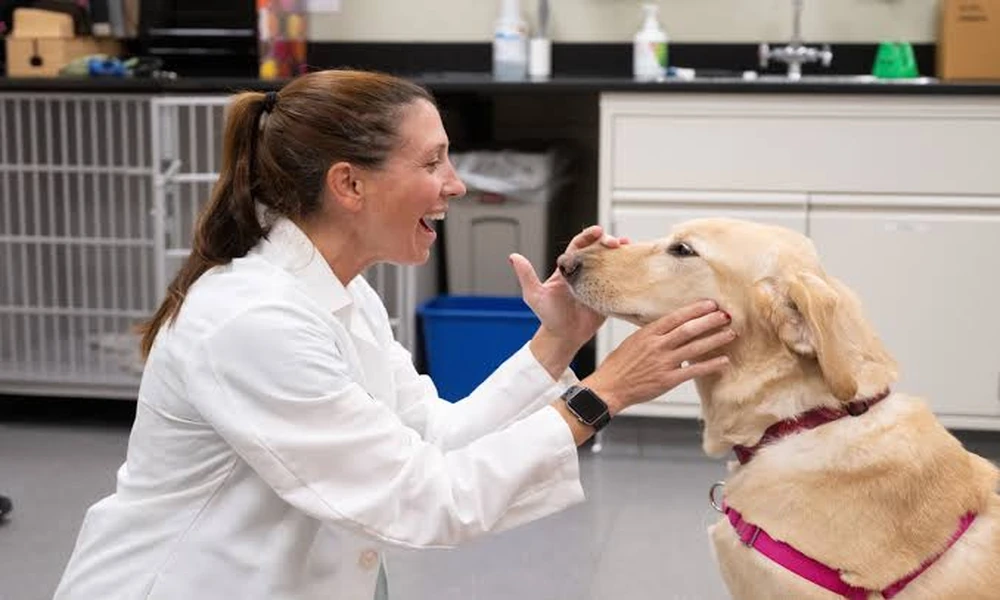
After that comes the physical exam and the neurologic exam. During what happens during a pet neurology evaluation, your veterinarian watches how your pet stands, walks, turns, and places their feet. They check mental status, head position, balance, eye movements, facial symmetry, strength, spinal pain, and reflexes. The goal is to localize the lesion, meaning identify whether the issue is most likely in the brain, brainstem, spinal cord, nerves, or muscles. The neurologic evaluation of dogs outlines how these observations guide diagnosis.
The neurologic exam helps separate urgent problems from watchful monitoring
This part can feel unsettling because your pet may be asked to do things they are struggling with already. Your veterinarian may gently turn the paw over to see whether your pet corrects it, support them while checking hopping or balance reactions, or tap reflex points to see how the limbs respond. These tests are not random. They show whether the pathways between the brain, spinal cord, and limbs are working.
If your pet has severe pain, loss of bladder control, collapse, inability to walk, repeated seizures, or rapid decline, the workup often becomes more urgent. A slipped disc, inflammation, stroke-like event, brain disease, or toxin exposure can move quickly. In other cases, the signs are present but stable, which may allow for a more measured plan with bloodwork, rest, and close follow up.
A full neurologic examination of animals often includes findings that seem subtle to owners but mean a lot clinically, such as delayed paw placement, asymmetric reflexes, or abnormal eye position. That is why two pets who both “look wobbly” at home may end up with very different diagnoses.
Diagnostic testing depends on what the exam shows
Once the neurologic problem is localized, your veterinarian decides which tests are most useful. Bloodwork may help rule out metabolic causes that can mimic nerve disease, such as low blood sugar, liver problems, or electrolyte changes. X rays can help assess bones and alignment, though they do not show the spinal cord or brain well. Advanced imaging such as MRI is often the best way to evaluate the brain and spinal cord directly.
Some pets also need a spinal fluid tap, infectious disease testing, blood pressure checks, or chest and abdominal imaging. If intervertebral disc disease is suspected, the exam findings and imaging results guide treatment. The American College of Veterinary Surgeons explains intervertebral disc disease and why timing matters when weakness or paralysis appears.
Cost can be part of the stress. A basic workup may involve an exam and blood tests, while advanced neurology cases may need hospitalization, MRI, or surgery. You are not overreacting by asking what is necessary now and what can wait. A good plan balances urgency, comfort, and the best path to an answer.
Common parts of a veterinary neurological assessment
| Part of the workup | What your veterinarian is looking for | What it may help identify |
|---|---|---|
| History | Onset, progression, trauma, toxins, seizures, pain | Sudden vs progressive disease, possible triggers |
| Gait and posture check | Weakness, wobbling, circling, head tilt, limb dragging | Brain, vestibular, spinal cord, or nerve involvement |
| Cranial nerve exam | Eye movement, facial symmetry, swallowing, pupil response | Brainstem or cranial nerve disease |
| Postural reactions and reflexes | Paw placement, hopping, knee and withdrawal reflexes | Location of spinal cord or peripheral nerve lesions |
| Pain assessment | Neck or back pain, sensitivity, guarding | Disc disease, inflammation, injury |
| Bloodwork and imaging | Systemic illness, structural changes, compression | Cause of neurologic signs and treatment planning |
Clear steps help you prepare for a veterinary hospital visit
Track the signs before the appointment. Write down when the problem started, how often it happens, and whether it is getting worse. Video helps more than memory, especially for seizures, wobbling, tremors, or episodes that come and go.
Limit activity if mobility is affected. If your pet is weak, painful, or unsteady, avoid stairs, jumping, and rough play. Use a leash, carry small pets when needed, and keep them on non slip surfaces until they are examined.
Ask what is urgent today. If your pet cannot walk, has repeated seizures, seems suddenly disoriented, or loses bladder control, do not wait for a routine slot. A prompt veterinary hospital evaluation can protect function and reduce pain.
The goal of a veterinary neurology workup is a clearer path forward
Neurologic symptoms are frightening because they change how your pet moves, responds, and feels in ways you cannot easily explain. A veterinary neurological assessment gives structure to that uncertainty. It shows where the problem likely is, how serious it may be, and which tests or treatments make sense next.
If your pet is showing signs that involve balance, walking, pain, seizures, or sudden weakness, contact a veterinary hospital as soon as you can. Getting answers early often makes treatment decisions clearer and gives your pet the best chance at comfort and recovery.

Comments are closed.