
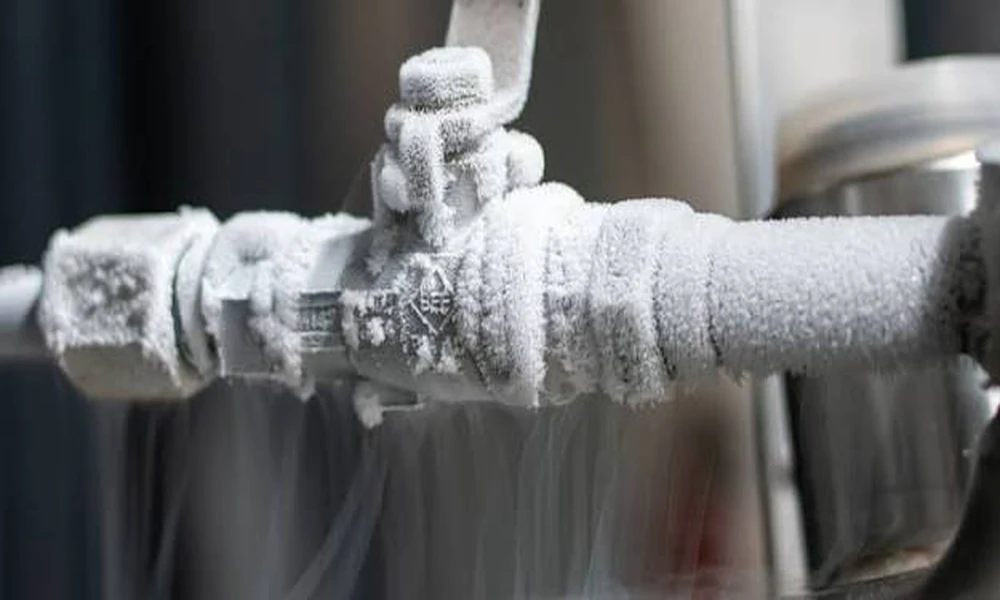
A storm can leave behind more than fallen branches, standing water, and visible property damage. Hidden plumbing damage may develop inside walls, beneath floors, underground, or within sewer lines, where problems can go unnoticed until they become much more expensive to repair.
Heavy rain, flooding, shifting soil, and debris can all place unusual stress on a home’s plumbing system. In some cases, the first warning sign does not appear until days or even weeks after the storm. Knowing what to look for can help homeowners identify problems early and arrange storm-related plumbing services before a small issue turns into extensive water damage.
How Storms Can Damage Plumbing Systems
Severe weather can affect plumbing in several different ways. Heavy rainfall may overwhelm drainage and sewer systems, while saturated soil can shift around underground pipes. Floodwater can also introduce debris into drainage systems or place pressure on vulnerable connections.
Conditioned Air notes that storms can shift pipes, introduce debris, and overload drainage systems, creating conditions for leaks, blockages, and water damage.
Not every problem will be immediately visible. A pipe may develop a small crack, a connection may become loose, or a drain may become partially blocked. These issues can continue deteriorating even after the weather has returned to normal.
Signs of Hidden Plumbing Damage After a Storm
Some post-storm plumbing problems are easy to recognize, such as a burst pipe or sewage backup. Others are much more subtle.
Pay attention to changes that seem unusual for your home, including:
- Unexplained damp spots on walls, ceilings, or floors
- Water stains that appear or grow after the storm
- Unusually low water pressure
- Drains that suddenly become slow or frequently clog
- Gurgling sounds from toilets, sinks, or drains
- Persistent musty or unpleasant odors
- Water pooling around the foundation or outdoor plumbing
- Unexplained increases in water usage
- Toilets or sinks that back up repeatedly
- Moisture in a basement, crawl space, or other low area
A single symptom does not necessarily mean a storm caused plumbing damage. However, if a new problem appears immediately after severe weather, it is worth having the system evaluated rather than assuming the issue will disappear on its own.
Sewer Backups Can Develop After Heavy Rain
One of the more serious plumbing concerns following major rainfall is a sewer backup. Heavy or prolonged rain can overwhelm sewer systems, allowing wastewater to move back toward connected properties. FEMA explains that sewer systems can become surcharged when floodwater enters through openings or when combined sewer systems become overloaded during heavy rainfall.
The problem may not always begin with obvious flooding. A homeowner might first notice a slow drain, bubbling toilet, unpleasant smell, or water appearing in a basement drain.
Sewer laterals-the pipes connecting a property to the municipal sewer system-can also develop problems. Tree roots, deterioration, cracks, or blockages may restrict flow, making a plumbing system more vulnerable when unusually large amounts of water enter the network. FEMA recommends maintaining sewer lines and having a licensed plumber inspect the lateral connection when appropriate.
Underground Pipes Deserve Attention
Some of the most difficult storm-related plumbing problems are located underground. Saturated soil can shift, erosion can expose sections of pipe, and moving water or debris can damage vulnerable connections.
Because these pipes are hidden, homeowners may not notice a problem until symptoms appear inside the house. Persistent wet areas in the yard, unexplained changes in water pressure, unusually high water usage, or recurring drainage problems can justify further investigation.
A professional plumber may use specialized diagnostic methods, including sewer camera inspections, to examine sections of piping that cannot be assessed visually. Conditioned Air lists sewer camera inspections among its plumbing services.
What to Do If You Suspect Storm Damage
Acting quickly does not necessarily mean making repairs yourself. In fact, attempting to open damaged pipes or enter contaminated areas can create additional risks.
A practical approach is to:
- Inspect visible areas carefully. Look beneath sinks, around toilets, near water heaters, and in accessible basement or crawl-space areas.
- Watch for changes. Pay attention to water pressure, drainage, odors, sounds, and unexplained moisture.
- Limit water use if a serious leak is suspected. If safe to do so, shutting off the home’s main water supply can help reduce additional damage.
- Document visible damage. Take photographs and keep records of what you observe, particularly if an insurance claim may be necessary.
- Contact a licensed plumber. A professional can determine whether the issue involves a supply line, drain, sewer lateral, fixture, or another part of the system.
- Address moisture promptly. Standing or contaminated water should be handled appropriately to reduce the possibility of additional property damage.
If sewage has entered the home, avoid unnecessary contact with the affected water and arrange for appropriate cleanup. The Insurance Information Institute recommends prompt cleanup after sewer backups and advises homeowners to document damage and retain relevant receipts.
Common Mistakes Homeowners Make After a Storm
One of the biggest mistakes is assuming that no visible damage means the plumbing system is fine. Pipes behind walls and beneath the ground cannot always be evaluated through a simple visual inspection.
Another mistake is waiting for a problem to become severe. A small leak or slow drain may be easier to address than the water damage that can develop after the underlying problem continues unnoticed.
Homeowners should also avoid treating repeated symptoms as isolated incidents. If a drain repeatedly backs up or a musty smell keeps returning, there may be a deeper plumbing issue that needs professional diagnosis.
How to Reduce Future Plumbing Problems
Storm preparation starts before severe weather arrives. Keeping drains clear, addressing existing leaks, maintaining sewer lines, and understanding where the home’s main water shutoff is located can all make it easier to respond when problems occur.
Homes that have experienced previous sewer backups may also benefit from discussing backwater or backflow protection with a qualified plumbing professional. FEMA identifies backwater valves as one method that can help reduce the risk of wastewater entering a home when sewer lines become overwhelmed.
Regular plumbing inspections can also reveal aging, corroded, or deteriorating components before another major storm puts additional stress on the system.
Why Early Detection Matters
Storm damage does not always announce itself with a burst pipe or flooded basement. Sometimes it starts with a faint stain, a slow drain, an unusual odor, or a subtle change in water pressure.
Recognizing these warning signs gives homeowners an opportunity to investigate the problem before it spreads. When severe weather has recently affected the area, paying closer attention to the plumbing system can be just as important as checking the roof, windows, and exterior of the property.
Conclusion
A storm may pass in a matter of hours, but its effects on a home’s plumbing can last much longer. Shifting pipes, overloaded sewer systems, underground damage, debris, and weakened connections can create problems that remain hidden until symptoms become difficult to ignore.
The best response is simple: inspect what you can safely see, take new plumbing symptoms seriously, document damage, and bring in a qualified professional when something does not look or function normally. Early attention can help prevent a concealed plumbing problem from becoming a much larger repair.

Comments are closed.