
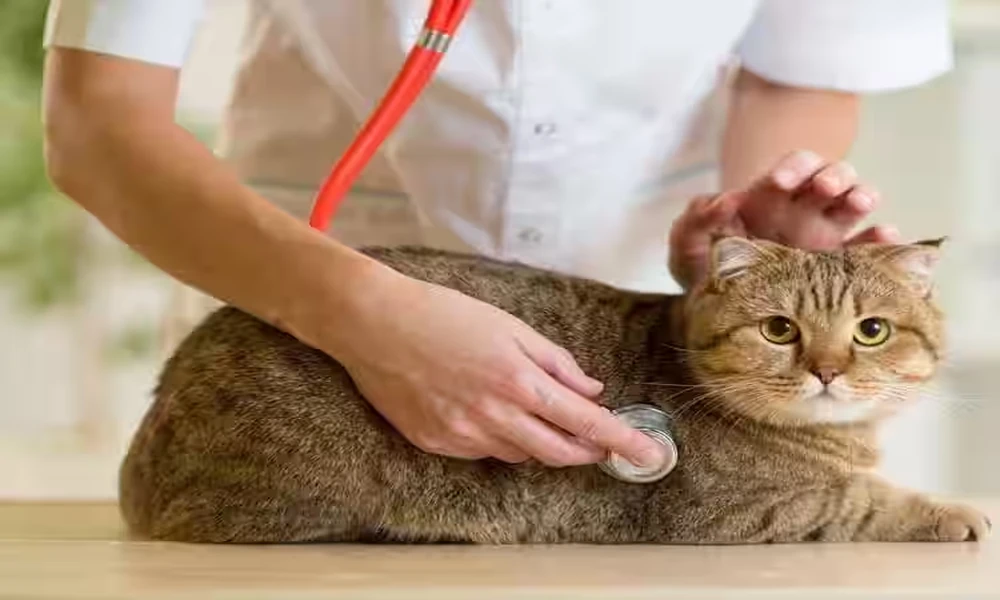
You do not think about veterinary services until something feels off. Your dog skips dinner, your cat hides under the bed, your rabbit stops moving around like usual, and suddenly the day gets smaller. You are watching, guessing, checking symptoms online, and trying not to panic. That pressure is real. When a pet is sick or hurt, you want clear answers fast, and you want to know the place you call can actually help. A Kenosha animal hospital can provide the care and guidance you need in that moment.
The good news is that today’s animal hospitals do far more than routine checkups. The best ones are built to handle urgent problems, long-term care, diagnostics, surgery, and prevention in one setting. If you have ever wondered what sets a modern clinic apart, these 5 essential services offered by modern animal hospitals are the ones that matter most.
Emergency and urgent care services protect pets when every minute counts
Some situations cannot wait until morning. Trouble breathing, seizures, collapse, severe vomiting, trauma, toxin exposure, and blocked urination can turn serious very quickly. A modern animal hospital should be able to assess these cases fast, stabilize your pet, control pain, and start treatment right away.
This is where 24-hour support, triage, oxygen therapy, IV fluids, imaging, and constant monitoring make a real difference. Emergency teams are trained to make decisions under pressure, and that matters when you are standing there holding a carrier or leash and trying to explain what happened. Tufts shares a clear overview of emergency veterinary care, including the kind of conditions that need immediate attention.
You do not need to diagnose the problem before calling. If your pet is in distress, the safer move is to contact an emergency service and describe what you are seeing. The FDA also offers a practical guide on who to call for a pet emergency, which can help when you are too stressed to think clearly.
Advanced diagnostics help animal hospitals find the real problem faster
A lot of pet illnesses look the same at first. Lethargy, appetite loss, limping, coughing, and diarrhea can come from dozens of causes. Guessing wastes time and can lead to treatment that misses the actual issue. Modern animal hospitals rely on in-house diagnostics to narrow things down quickly.
That usually includes bloodwork, urinalysis, fecal testing, digital X-rays, ultrasound, and sometimes advanced imaging. If a dog is vomiting, imaging can show whether it is simple stomach upset or a dangerous blockage. If a cat is drinking more water than usual, lab work can point toward diabetes, kidney disease, or a thyroid condition. Fast testing often means faster relief and fewer return visits.
This is one of the biggest strengths of a modern veterinary hospital services model. Instead of sending samples out and waiting days for basic answers, many hospitals can begin building a treatment plan the same day.
Surgery and anesthesia services give pets safer treatment options
Surgery is not only for major emergencies. Modern animal hospitals often perform spay and neuter procedures, mass removals, wound repair, dental extractions, orthopedic work, and soft tissue surgery. What matters is not just whether surgery is offered, but how it is supported.
Safer anesthesia protocols, pre-operative blood screening, pain management, sterile technique, and recovery monitoring lower risk and improve outcomes. If your pet needs a procedure, you want a team that watches heart rate, blood pressure, oxygen levels, and temperature throughout the process, then adjusts care based on age, breed, and health status.
Cornell outlines the value of coordinated emergency and critical care for unstable pets, which often works hand in hand with surgery when a case is severe. That coordination is one reason advanced animal hospitals can treat problems that smaller offices may need to refer elsewhere.
Preventive care keeps small problems from becoming painful and expensive
It is easy to put off routine care when your pet seems fine. Then a simple issue grows into something harder to treat. Preventive medicine is one of the most useful services a hospital provides because it catches disease earlier and lowers the odds of emergencies later.
This includes wellness exams, vaccines, parasite prevention, dental care, nutrition counseling, weight management, and senior pet screenings. A quiet dental infection can affect eating and behavior long before a pet shows obvious pain. Extra weight can strain joints and worsen heart or breathing issues. Early kidney changes may show up in lab work before your cat acts sick.
Animal hospital services are not only about crisis care. They are also about protecting your pet’s quality of life over time, which often saves money and stress in the long run.
Pharmacy and ongoing treatment support make long-term care easier
Many pets need more than a one-time visit. They need medication refills, follow-up exams, chronic disease management, and a care plan that changes as they do. A modern animal hospital often includes an on-site pharmacy, treatment plans for conditions like arthritis or diabetes, and staff who can teach you how to give medication, monitor symptoms, and know when to come back.
That support matters when life gets busy. If your dog starts insulin, or your cat needs kidney support, or your senior pet needs pain control, clear follow-through can keep a manageable condition from becoming a crisis. Good hospitals do not just hand you a prescription and send you out the door. They help you keep going once you are home.
Comparing essential pet hospital care options
| Service | What It Addresses | Why It Matters |
|---|---|---|
| Emergency and urgent care | Trauma, breathing trouble, seizures, toxin exposure | Fast stabilization can prevent organ damage or death |
| Diagnostics | Hidden illness, injury, infection, internal problems | Reduces guesswork and speeds up treatment |
| Surgery and anesthesia | Injuries, masses, dental disease, internal conditions | Provides treatment that medication alone cannot fix |
| Preventive care | Vaccines, parasites, dental disease, weight issues | Catches problems early and lowers long-term costs |
| Pharmacy and chronic care | Arthritis, diabetes, kidney disease, ongoing recovery | Keeps treatment consistent and manageable at home |
Three steps you can take right now
Save emergency contact information before you need it. Store the number and address of your regular veterinarian and the nearest emergency animal hospital in your phone. In a panic, even simple details can slip your mind.
Ask what services your hospital actually offers. Do they provide same-day diagnostics, surgery, dental care, after-hours support, or chronic disease management? Knowing this now helps you avoid rushed decisions later.
Schedule preventive care if your pet is overdue. A wellness exam, dental check, or senior screening can catch issues before they become painful and expensive. Waiting usually does not make pet health problems simpler.
Your pet depends on you to notice when something is wrong, and you do not need to have all the answers before you reach out. The value of a modern animal hospital is simple. It gives you one place for urgent help, clear diagnosis, treatment, and steady support after the first scare has passed. If your pet needs care, contact a trusted animal hospital and get guidance now.

Comments are closed.