
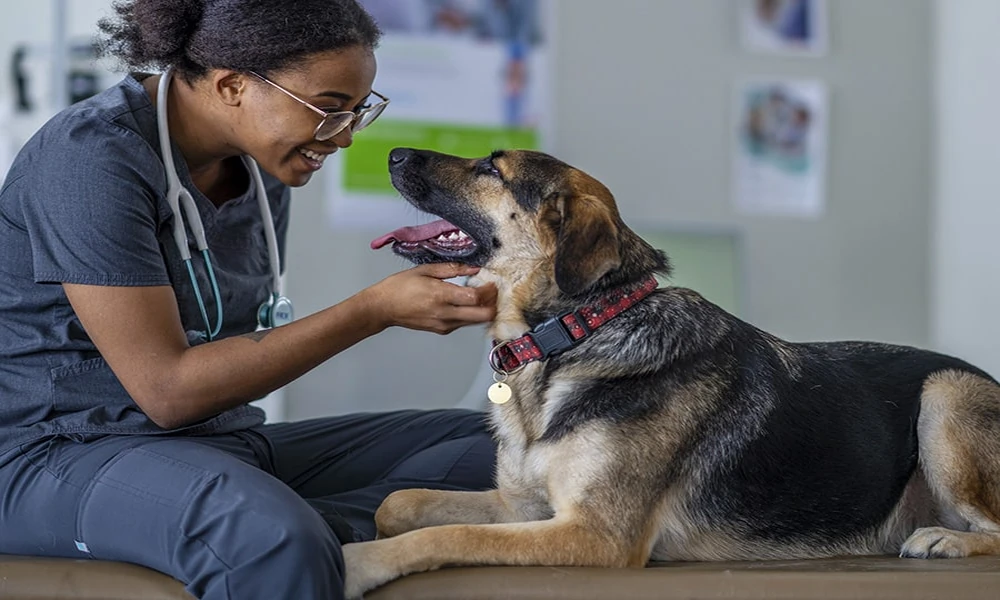
You know the look your pet gives you when something feels off. Maybe your dog stops racing to the door, or your cat hides under the bed and refuses dinner. That kind of change gets under your skin fast, especially when you need trusted veterinary in Chicago, IL, because this is not just about an animal in your home. This is your routine, your comfort, your little shadow, your family.
That is where a veterinary clinic matters in a way people often miss. Yes, clinics treat illness and handle vaccines, but they also protect the trust that holds your relationship together. When your pet feels better, you feel less helpless. When you understand what your pet needs, daily life gets calmer. How Veterinary Clinics Strengthen The Bond Between Pets And Owners comes down to one simple truth. Good care supports health, and health makes connection easier.
Veterinary care supports trust between you and your pet
When pets are in pain, stressed, or sick, their behavior changes. A gentle dog may snap during grooming. A social cat may avoid touch. Owners often take this personally at first, or they worry they have done something wrong. In many cases, the problem is physical discomfort, fear, or an unmet health need.
A veterinary clinic helps uncover what your pet cannot explain. That changes the whole relationship. Instead of guessing, you get answers. Instead of seeing “bad behavior,” you start seeing signals. That shift alone can soften a lot of tension at home.
Routine exams also create a pattern of care. Pets learn that handling, transport, and checkups are part of life, not just something that happens when they feel awful. Owners learn what is normal for their pet and what is not. That shared rhythm builds confidence on both sides.
The public health side matters too. The CDC explains that regular pet care, prevention, and safe daily habits protect both animals and people. You can review those basics through the CDC’s guidance on healthy pets and safe pet ownership. A healthier home usually feels like a calmer home, and calm is where attachment grows.
Pet health services reduce stress before it turns into distance
Small problems have a way of becoming relationship problems. An ear infection turns a cuddly dog into a dog that pulls away. Dental pain turns a playful pet into one that seems withdrawn. Skin issues lead to constant scratching, broken sleep, and frustration for everyone in the house.
This is why pet health services do more than “fix” medical issues. They preserve the parts of daily life that make pet ownership feel close and rewarding. Walks stay fun. Feeding stays easy. Touch stays welcome. Your pet keeps associating you with comfort instead of stress.
Research also supports the emotional side of the human animal bond. Studies on attachment and companion animals show that consistent care, responsiveness, and shared routines are linked to stronger owner-pet relationships. One review available through PubMed Central highlights how companion animals affect emotional wellbeing and social connection. Another article on human animal interaction research adds to the evidence that healthy, supported relationships with pets can improve quality of life.
That does not mean every bond is effortless. Sometimes love is there, but strain starts to build. The bills add up. Medication schedules get confusing. A senior pet needs more help than you expected. In those moments, a good clinic gives you structure. Clear treatment plans, realistic options, and early prevention can lower pressure before it spills into resentment or guilt.
Veterinary clinics help owners read behavior with more accuracy
A lot of bonding problems are really communication problems. Your pet is always telling you something, just not in words. Limping is obvious. Low appetite, pacing, licking paws, staring at the wall, sleeping more, resisting stairs, or hiding are easier to miss.
Veterinary teams practically connect behavior and health. They can tell you when a behavior may point to pain, fear, aging, digestive trouble, or sensory decline. That protects your relationship because you respond with care instead of correction.
How vets help pets and owners bond often comes down to this kind of guidance. If your dog growls when hugged, the answer may be joint pain, not defiance. If your cat stops using the litter box, the answer may be urinary discomfort, not spite. Once the real cause is treated, trust has room to recover.
Home care and veterinary clinic support work better together
| Approach | What It Looks Like | Likely Effect on the Bond |
|---|---|---|
| Home care alone | Online advice, watch and wait, treats, routine changes | Can help with mild issues, but delays may increase pain, confusion, and stress |
| Preventive veterinary clinic visits | Wellness exams, vaccines, dental checks, parasite prevention | Supports trust through comfort, predictability, and fewer health-related behavior changes |
| Clinic care for new behavior problems | Exam, diagnostics, pain assessment, treatment plan | Improves understanding and reduces the risk of punishing pain-driven behavior |
| Combined home and clinic care | Follow through on medication, diet, exercise, and behavior guidance | Usually gives the strongest long-term bond because care stays consistent |
Veterinary care for pets works best when it is not treated as a last resort. Home observation matters. Daily routines matter. Professional care fills in the gaps that love alone cannot cover.
Three steps you can take right away
Track one week of changes. Write down appetite, sleep, bathroom habits, energy, movement, and behavior. Patterns are easier to spot on paper, and this gives a clinic much better information than a stressed guess during an appointment.
Schedule preventive care before a crisis. Annual or twice-yearly visits can catch pain, dental disease, weight changes, and age-related issues early. Early care is often less disruptive, less expensive, and easier on your pet.
Ask for a plan you can actually follow. If medication timing, cost, or transport is hard, say so. A good veterinary clinic can often adjust the plan, suggest alternatives, or break care into manageable steps. That honesty protects your pet and reduces your own burnout.
Strong bonds grow through steady care
You do not need to be perfect to be a good pet owner. You need support, useful information, and a place that helps you understand the animal you love. That is one of the clearest ways veterinary clinics strengthen the bond between pets and owners. They protect health, reduce fear, and turn uncertainty into action.
If your pet seems different, or if you want to protect the connection you already have, schedule a visit with a trusted veterinary clinic. Small steps taken early often make home feel easier for both of you.

Comments are closed.