
You might not think much about parasites until your dog starts scratching all night, your cat stops eating, or you hear your veterinarian in East San Jose mention worms, fleas, or ticks during a routine visit. Before that moment, prevention can feel easy to put off. After it, you may be dealing with discomfort for your pet, worry for your family, and treatment costs you did not expect. That is why 5 Reasons Parasite Prevention Shouldn’t Be Overlooked is more than a reminder. It is a practical way to protect your pet’s health, lower risk at home, and avoid problems that are much harder to fix once they start.
Parasites are not just a seasonal nuisance. They can affect pets that stay close to home, pets that travel, and even pets that seem perfectly healthy. Some parasites also pose a risk to people, especially children, older adults, and anyone with a weaker immune system. So, where does that leave you? Usually in a place where a little prevention now can spare you a lot of stress later.
Why can skipping parasite prevention turn into a bigger problem than you expect?
It often starts small. A missed monthly dose. A pet that only goes into the backyard, so protection feels less urgent. A busy month where routine care slips down the list. Because of this, many pet owners do not realize there is a problem until signs are obvious, and by then the issue may be more expensive, uncomfortable, and time consuming to manage.
Fleas can lead to skin irritation, allergic reactions, and infestations inside your home. Ticks can carry diseases that affect both pets and people. Intestinal parasites may cause vomiting, diarrhea, weight loss, or subtle changes that are easy to miss at first. Heartworms are even more serious, especially because prevention is far easier than treatment. This is one reason parasite prevention for pets matters so much. It addresses risk before your pet suffers.
There is also the human side of the story. Some parasites can spread from animals to people. The Centers for Disease Control and Prevention explains that toxocariasis can be linked to roundworms passed from dogs and cats, which is one reason routine deworming and good hygiene matter. If you have children who play in the yard, or pets who share close spaces with the family, this can feel especially personal.
What are the 5 reasons parasite prevention should stay on your pet care list?
First, it protects your pet from avoidable pain and illness. Parasites do not just annoy pets. They can drain energy, affect appetite, irritate skin, and cause internal disease. A pet may not be able to tell you what feels wrong, so prevention helps close that gap.
Second, it helps protect your household. Some parasites can move beyond your pet and into your home or yard. Others can affect people directly. Prevention supports the health of everyone under your roof.
Third, it often saves money over time. A monthly preventive usually costs less than treating a flea infestation, running lab tests, or managing a tick borne illness. When people delay care to save now, they sometimes spend much more later.
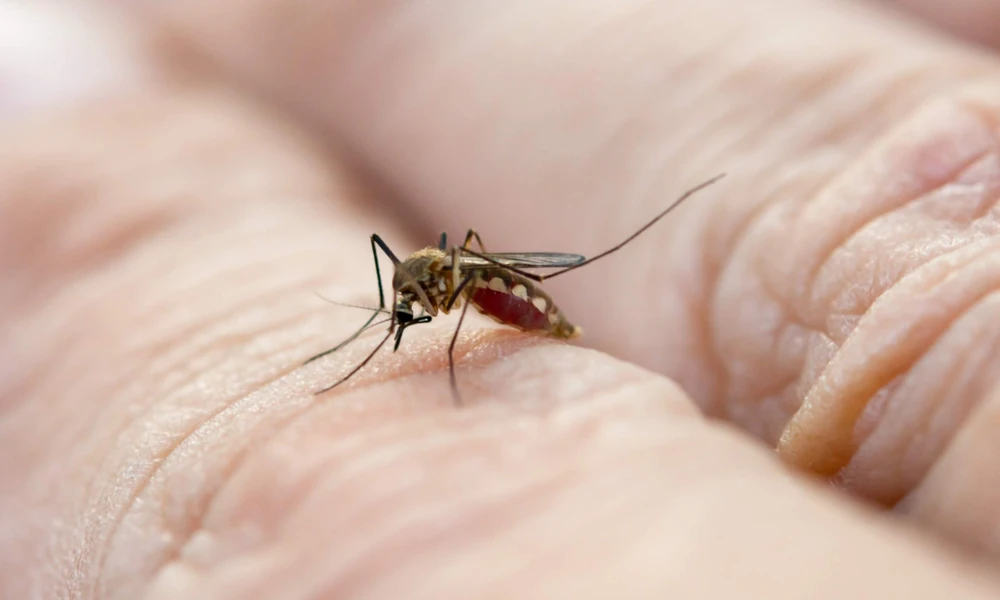
Fourth, it matters even for pets with limited outdoor time. Fleas can hitch a ride indoors. Mosquitoes can enter the house. Eggs and larvae can be tracked in on shoes or clothing. Indoor pets are not risk free pets.
Fifth, it supports safer travel and seasonal routines. If your pet boards, hikes, visits parks, or travels with you, exposure can rise quickly. The CDC offers useful guidance for traveling safely with pets, including steps that help reduce disease and parasite risks on the road.
How do the risks compare when prevention is consistent versus delayed?
Sometimes it helps to see the difference plainly. If you are weighing whether routine protection is worth it, this side by side view makes the choice easier.
| Situation | Consistent Prevention | Delayed or No Prevention |
|---|---|---|
| Fleas | Lower chance of bites, skin irritation, and home infestation | Scratching, allergic reactions, fleas in carpets and furniture |
| Ticks | Lower risk of tick attachment and tick borne disease | Greater chance of disease exposure and harder removal |
| Intestinal parasites | Better control through routine screening and deworming | Possible digestive issues, weight loss, and spread in shared spaces |
| Cost | More predictable monthly expense | Possible exams, testing, treatment, cleanup, and repeat visits |
| Family impact | Lower household exposure risk | More concern for children, older adults, and immune compromised family members |
Cornell’s veterinary experts also note the need for seasonal awareness and routine prevention, especially during warmer months when exposure increases. Their summer parasite prevention tips for pets reinforce a simple truth. Risk changes with weather, travel, and outdoor activity, but it never disappears completely.
What can you do right now to make pet parasite control simpler?
1. Schedule a routine veterinary checkup.
A general veterinarian can recommend prevention based on your pet’s age, species, lifestyle, and health history. Not every pet needs the exact same plan, which is why personalized guidance matters.
2. Stay consistent with preventives.
Choose a system you will actually follow, whether that means monthly reminders, auto shipments, or pairing doses with another routine. Pet parasite control works best when there are no gaps.
3. Reduce exposure at home.
Pick up waste promptly, wash pet bedding, keep grass trimmed, and check your pet after walks or outdoor play. If your pet travels, boards, or visits dog parks, ask your veterinarian if added protection makes sense.
When does prevention become peace of mind?
Usually sooner than people expect. Once you know your pet has a plan in place, the constant low grade worry tends to ease. You are not waiting for scratching to get worse or wondering whether a stomach issue could have been prevented. You are simply staying ahead of a common problem with steady, thoughtful care.
If parasite prevention has slipped down your list, you are not alone, and you do not need to fix everything at once. Start with one appointment, one conversation, and one clear plan for your pet. A trusted provider of general veterinarian services can help you choose the right next step and keep your pet healthier, safer, and more comfortable all year.

Comments are closed.